Choosing the right ergonomic esthetician chair is crucial for comfort and productivity. What to look for in an ergonomic esthetician chair? This question drives many professionals to reconsider their working environment. An ideal chair not only supports the body but helps maintain focus during long sessions.
Consider the importance of adjustability. A chair that adapts to your height promotes better posture. Look for features that enhance comfort. Cushioned seats and backrests can make a significant difference. However, not all chairs meet those standards. Some may lack crucial elements, leading to discomfort over time.
Durability is another key factor. Choosing a chair that withstands daily use is essential. Also, pay attention to mobility features. A chair with smooth-rolling casters can make moving around easier. Think about how each feature impacts your daily routine. It’s worth reflecting on your current chair. Are there aspects you wish were better? Consider how the right chair can elevate your practice.
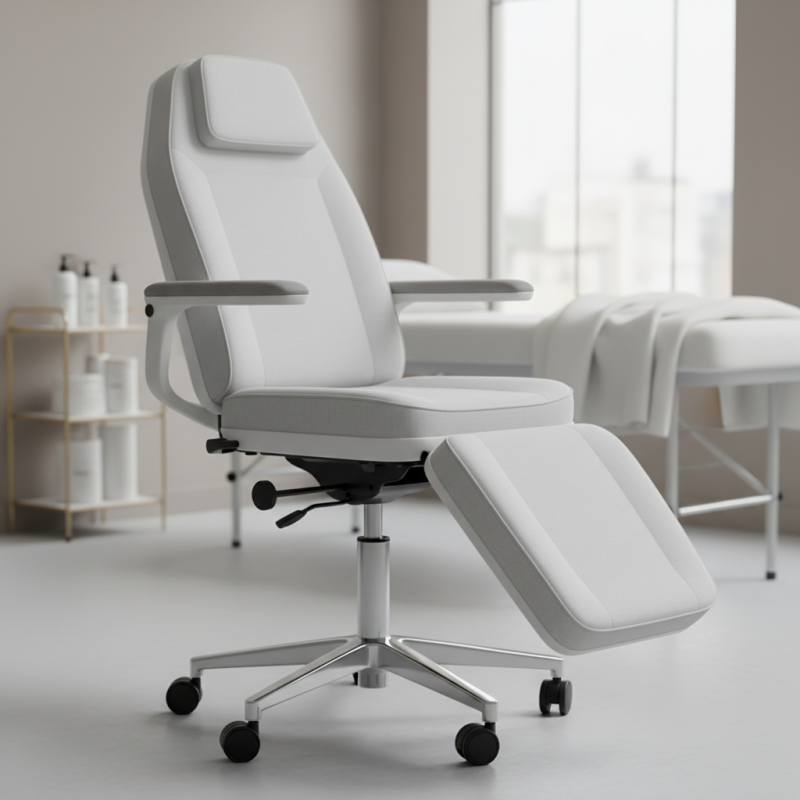
When selecting an ergonomic esthetician chair, it’s crucial to focus on key elements of ergonomic design. Studies indicate that 65% of estheticians report experiencing discomfort during treatments. This highlights the need for a chair that promotes proper posture. A chair with adjustable height is vital, allowing estheticians to work comfortably at different levels. This feature reduces strain on the back and neck.
Another essential element is cushion support. High-density foam or memory foam offers better relief during long hours of work. According to research, over 70% of professionals value comfort as their top priority. This is especially important for estheticians who often sit for extended periods. Additionally, a chair with a swivel base enhances accessibility, reducing the need for unnecessary twisting and bending.
Lastly, consider the armrests. Adjustable armrests can significantly impact shoulder and wrist positioning. Poor arm support can lead to chronic pain. Studies suggest that ergonomic designs reduce the risk of musculoskeletal disorders by up to 30%. However, not every ergonomic chair fits every esthetician perfectly. It’s essential to test various options and find a chair that aligns with individual needs and preferences. The risks of ignoring ergonomic principles are considerable.
When choosing an ergonomic esthetician chair, adjustability is essential. This feature greatly enhances comfort and accessibility. It allows estheticians to optimize their workspace. A chair that can be easily adjusted in height can cater to various client needs. This flexibility makes treatments more comfortable for both the client and the practitioner.
Many estheticians face challenges with static seating. A fixed-height chair can lead to discomfort and strain. Clients may require different positions for effective service. This can be tricky with an immovable chair. Adjustability helps reduce the risk of injury. It promotes better posture and smoother movements during treatments. A well-designed chair should support dynamic adjustments.
However, not all designs offer the same quality. Some chairs may have complicated adjustment mechanisms. This can lead to frustration during busy hours. A balance between simplicity and efficiency is crucial. Estheticians must reflect on their needs and test chairs before making a choice. Finding the right balance can lead to a more productive work environment.
| Feature | Description | Importance |
|---|---|---|
| Adjustable Height | Allows customization of chair height for different treatments and client needs. | Enhances comfort and accessibility for both the esthetician and client. |
| Tilt and Recline Options | Provides various angles for optimal treatment positioning. | Improves treatment effectiveness and client comfort during procedures. |
| Lumbar Support | Offers back support to promote healthy posture. | Reduces fatigue and discomfort during prolonged use. |
| Footrest | Adjustable footrest for client comfort and easy access. | Enhances client relaxation and overall experience. |
| Padded Seating | Soft padding for the seat and backrest. | Ensures comfort during extended periods of use. |
| Swivel Base | Allows the chair to rotate, providing easy access to clients. | Enhances maneuverability and efficiency during treatments. |
| Durability and Easy Maintenance | Materials that are tough and easy to clean. | Ensures longevity and hygienic workspace. |
Choosing the right ergonomic esthetician chair plays a significant role in providing comfort during long hours of work. When evaluating material quality, look for durable upholstery that can withstand daily use. High-quality materials not only enhance comfort but also increase the longevity of the chair. Consider fabrics that are easy to clean. A chair that's tough against stains might make your life easier.
Support is essential. The right chair should offer proper lumbar support to promote good posture. Adjustable features can cater to individual needs. It’s important that the chair remains stable while also allowing freedom of movement. However, finding the perfect balance can be tricky. Some chairs may feel too rigid, while others lack the necessary support. Personal comfort is subjective. Test out different options.
Also, think about the overall design and aesthetics. A stylish chair can improve your workspace environment. But don't let looks outweigh comfort and support. A beautiful chair that's uncomfortable is a poor investment. Be open to feedback from clients regarding comfort. Sometimes, what seems perfect might not meet their needs. Remember, your chair is an essential part of your practice.
Choosing the right ergonomic esthetician chair is essential for comfort and efficiency. One notable feature to consider is mobility. A chair equipped with smooth-rolling wheels enhances movement within treatment spaces. This is particularly crucial in busy environments, where frequent adjustments are necessary. According to a report by the American Journal of Occupational Therapy, optimal mobility can reduce stress and strain by 22% during long working hours.
Base stability is equally important. A well-designed chair should have a wide base. This ensures stability while clients are being treated. Stability helps prevent accidental tipping and enhances safety. A study by the National Institute for Occupational Safety and Health indicated that lack of stability can lead to workplace injuries, increasing ergonomic risk factors. Estheticians often multitask, so it’s necessary to have a chair that supports quick transitions without hindrances.
However, not all chairs offer both features effectively. Some may have wheels that compromise stability, making them less viable for precise tasks. Estheticians need to reflect on their specific workspace. Choosing a chair that balances mobility with stability is vital. Finding the perfect chair is often a process of trial and error. As the industry evolves, so do the designs. Prioritizing these features can significantly enhance the ergonomic experience.
When choosing an ergonomic esthetician chair, aesthetics plays a vital role. The chair should not only be comfortable but also appealing. Studies from the American Society of Interior Designers reveal that color can significantly affect mood and perception in a salon setting. For example, soft blues and greens create a calming atmosphere. They make clients feel relaxed during their treatments.
Style options vary widely. Some prefer a modern, sleek design, while others might favor a more traditional look. A 2022 report indicated that 72% of clients notice the decor and style of a salon immediately. This suggests that an esthetician chair should integrate well with the overall design theme. For instance, a vintage leather chair can add a touch of elegance, contrasting with minimalist decor.
Choosing the right color and style can be challenging. Trends change quickly, and what looks good today might not be appealing tomorrow. A chair that's too trendy could clash with future aesthetic updates in your salon. It's essential to find a balance between current styles and timeless design. This way, the chair remains functional and attractive for years to come.
: Adjustability enhances comfort and accessibility. It allows for optimal workspace setup tailored to client needs.
Fixed-height chairs can cause discomfort and strain. They limit positioning options during treatments, impacting service quality.
Adjustable chairs promote better posture and smoother movements. This reduces injury risks and improves overall treatment effectiveness.
Look for durable upholstery that withstands daily use. Easy-to-clean fabrics and stain resistance are valuable features.
Proper lumbar support is essential for good posture. It helps maintain comfort during long working hours.
Yes. A stylish chair can enhance the workspace. However, prioritize comfort and support over appearance.
Complicated adjustment mechanisms can create frustration. Testing chairs and reflecting on personal needs is crucial.
Client feedback is important for comfort assessment. A chair that looks great may not meet actual comfort needs.
When choosing an ergonomic esthetician chair, it's essential to consider several key features that enhance comfort and functionality. Key elements of ergonomic design, such as proper lumbar support and adjustable seat height, play a crucial role in accommodating various body types and ensuring comfort during long treatment sessions. Additionally, material quality and support are vital; look for chairs made from durable, easy-to-clean materials that provide adequate cushioning.
Adjustability is particularly important, allowing for customization to meet individual client needs and ensuring accessibility. Mobility features like wheels and a stable base enhance the chair's usability, facilitating easy movement around the workspace. Finally, aesthetic considerations, including style and color options, can contribute to the overall ambiance of your practice. Therefore, when wondering what to look for in an ergonomic esthetician chair, prioritize these elements to create a welcoming and comfortable environment for both yourself and your clients.
