When establishing a successful nail salon, the importance of selecting the right materials for manicure tables cannot be overlooked. Which material is best for nail salon manicure tables? This question weighs heavily on salon owners and designers alike. The choice of material impacts not only aesthetics but also functionality and durability.
Wood, metal, and glass are common choices, each with unique advantages and drawbacks. For example, wooden tables offer warmth and charm but are prone to damage from spills. Metal tables, on the other hand, are sleek and modern but can be cold and uninviting. Glass tables provide a contemporary look but require regular cleaning to maintain their appearance. It is clear that a balance must be struck.
Selecting materials requires careful thought and reflection. An attractive table can enhance a client's experience, while a practical choice ensures longevity. In this quest for the ideal material, salon owners must consider their specific needs, budget, and brand aesthetic. Ultimately, the right choice will reflect a commitment to both style and service quality.
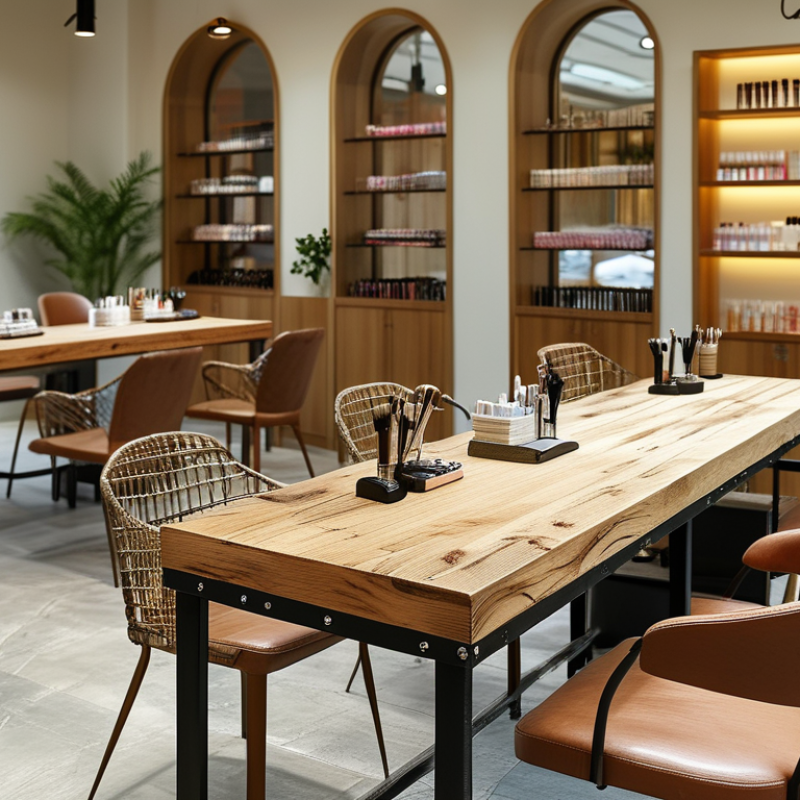
Best Materials for Nail Salon Manicure Tables: An Overview
Choosing the best material for nail salon manicure tables involves several considerations. Commonly used materials include wood, glass, and metal. Each material presents unique advantages and potential drawbacks. Wood, for instance, offers warmth and aesthetics, but can be less durable and harder to clean. Reports indicate that hygiene is crucial in salons, with over 60% of clients prioritizing cleanliness when choosing a nail technician.
Glass tables create a modern look and are easy to sanitize. However, they can be vulnerable to scratching and breaking. An industry survey found that nearly 45% of salon owners reported concerns about durability when opting for glass surfaces. On the other hand, metal frameworks provide sturdiness and resistance to wear. While they can withstand heavy use, they may not offer the same comfort as other materials.
The choice of materials not only affects the salon’s appearance but also operational efficiency. The U.S. nail salon industry, valued at approximately $8 billion, places significant emphasis on both client experience and practicality. A material that meets both hygiene and aesthetic standards can enhance customer satisfaction. Ultimately, salon owners must weigh the pros and cons, ensuring a balance between style and functionality for optimum performance.
Durability: Comparing Wood, Metal, and Plastic Options
When it comes to choosing materials for manicure tables in nail salons, durability is a key factor. Wood, metal, and plastic each have their own strengths and weaknesses. According to a recent industry report, wood tables are the most aesthetically pleasing, offering a classic look. However, they can be prone to scratches and water damage, impacting their longevity in a busy salon environment.
On the other hand, metal tables are known for their strength. They resist wear and tear better than wood. A 2022 survey found that 70% of salon owners preferred metal for its durability. However, metal can sometimes show fingerprints and require regular polishing. Plastic tables offer cost-effective solutions. While less appealing in terms of aesthetics, they are lightweight and resistant to moisture. Yet, over time, plastic can become discolored or cracked with extensive use.
In considering these materials, reflect on the trade-offs. A beautiful wood table may enhance salon aesthetics but may also require more maintenance. Metal might resist damage but could be less inviting. Plastic is practical, yet might lack the elegance that clients expect. Balancing these factors ensures that the chosen material meets both aesthetic and functional needs.
Which Material is Best for Nail Salon Manicure Tables? - Durability: Comparing Wood, Metal, and Plastic Options
| Material |
Durability |
Maintenance |
Cost |
Aesthetic Appeal |
| Wood |
Moderate |
High (Requires polishing) |
$$$ |
Elegant and Classic |
| Metal |
High |
Low (Easy to clean) |
$$ |
Modern and Sleek |
| Plastic |
Low |
Very Low (Just wipe) |
$ |
Variety of Colors, but Less Elegant |
Hygiene Factors: Why Non-Porous Surfaces Are Essential
When considering the best material for nail salon manicure tables, hygiene factors play a crucial role. Non-porous surfaces are essential in this setting. These materials, often made from high-grade acrylic or metal, prevent bacteria, fungi, and other pathogens from settling in microscopic crevices. This quality is vital because salons experience high foot traffic and certain health risks.
Moreover, it’s important to maintain a clean environment. Cleaning porous surfaces can become a tedious task. Regular scrubbing may not remove every germ, and stains can develop over time. This makes non-porous materials not only practical but also an investment in client safety.
Consider the lifespan of a manicure table. Non-porous surfaces endure better over time than their porous counterparts. They resist scratches and can be sanitized effectively. Reflecting on the choices made for materials is crucial. A trusted atmosphere can keep clients returning, providing peace of mind while enhancing the salon's reputation.
Material Comparison for Nail Salon Manicure Tables
Aesthetic Appeal: Choosing Materials that Enhance Salon Design
Choosing the right materials for manicure tables is crucial for enhancing the aesthetic appeal of a nail salon. A well-designed table creates a welcoming atmosphere. Consider materials that reflect the style of your salon. For example, sleek acrylic can offer a modern touch, while warm wood adds a cozy feel. Combining textures can also elevate visual interest.
It's essential to maintain a balance between beauty and practicality. Some materials might look appealing but may not be durable. For instance, glass tops are stylish but can be chipped easily. Think about your clients' comfort as well. Smooth surfaces are important for an enjoyable manicure experience.
Tips to enhance design: Integrate colors that harmonize with your brand identity. Use fittings, such as soft lighting, to complement your material choice. This not only highlights your tables but also creates an inviting environment. Keep in mind that choosing the wrong material can lead to wear over time, causing regret. Reflect on your selections frequently to ensure they align with both aesthetic and functional needs.
Cost Analysis: Budgeting for High-Quality Manicure Table Materials
When choosing materials for manicure tables, cost is a crucial factor. High-quality surfaces can enhance your salon's aesthetic and functionality. Wood, metal, and glass are common choices, each with different price points. Laminated surfaces are affordable and easy to clean, but can wear out quickly. Investing in durable materials may seem costly initially, but savings in longevity and repairs can be substantial.
Consider the long-term benefits of each material. For example, solid wood offers elegance but requires regular maintenance. Metal surfaces are easy to disinfect, making them more hygienic for salons. Budget constraints may limit choices, but quality should not be compromised. Spending wisely on strong materials will result in fewer replacements.
When budgeting, remember to account for delivery and installation costs, which often get overlooked. Each material has unique maintenance needs. Some may need regular polishing, while others require simple wiping. Evaluate your clients’ preferences too. Their comfort can depend on the table's texture and finish. Balancing quality and cost demands reflection to select the best material for a thriving nail salon.
FAQS
: Common materials include wood, glass, and metal, each with unique benefits and drawbacks.
Hygiene is crucial, as over 60% of clients prioritize cleanliness when selecting a nail technician.
Glass tables look modern and are easy to clean, but they can scratch and break easily.
Wood offers aesthetic warmth but may be less durable and harder to clean than other options.
Consider both aesthetic appeal and practical durability to improve client experience and salon efficiency.
A well-designed table creates a welcoming atmosphere, enhancing both comfort and overall client satisfaction.
Owners should reconsider their selections regularly to ensure they meet both aesthetic and functional needs.
Metal frameworks are sturdy and wear-resistant, but they may lack the comfort of other materials.
Use colors and lighting that harmonize with your salon’s brand identity to create an inviting space.
Choosing visually appealing materials that lack durability can result in wear over time and disappointment.
Conclusion
When considering "which material is best for nail salon manicure tables?", it's essential to evaluate several factors that impact both functionality and aesthetics. This overview examines the top materials, focusing on durability, hygiene, aesthetic appeal, and cost. Wood, metal, and plastic each offer unique advantages; wood is often celebrated for its warmth and elegance, while metal provides a sturdy option and plastic is favored for its lightweight and cost-effectiveness.
Hygiene should be a top priority, with non-porous surfaces being crucial to maintain cleanliness and prevent bacteria growth. Additionally, the materials chosen should complement the overall salon design, enhancing the ambiance. Finally, a comprehensive cost analysis helps salon owners budget effectively for high-quality materials that will stand the test of time. By weighing these factors, nail salon owners can make informed decisions on the ideal materials for their manicure tables.

 Sincera Furniture