In the nail salon industry, the choice of materials for manicure tables is crucial. With customer satisfaction linked to comfort and aesthetics, salon owners often ask, "Which material is best for nail salon manicure tables?" A survey by The Nail Manufacturer’s Council found that 78% of clients prefer clean, well-maintained furniture. This statistic highlights the importance of using quality materials that withstand daily wear and tear.
Different materials offer varied benefits. For instance, laminate surfaces are cost-effective and easy to clean, making them a popular choice. However, they may not provide the elegance that many salons desire. Conversely, solid wood or high-end acrylic can elevate the salon's appearance, but they often come with higher maintenance needs. According to a report by IBISWorld, the nail salon industry generates $8 billion annually, emphasizing the significance of investing in durable, appealing furniture.
Ultimately, the decision is not just about cost. It's about creating an environment that attracts and retains clients. Understanding the trade-offs between durability, cost, and aesthetic appeal is essential. As trends evolve, salon owners must rethink their choices. Keep in mind, the best material often reflects the salon's identity and commitment to client care.
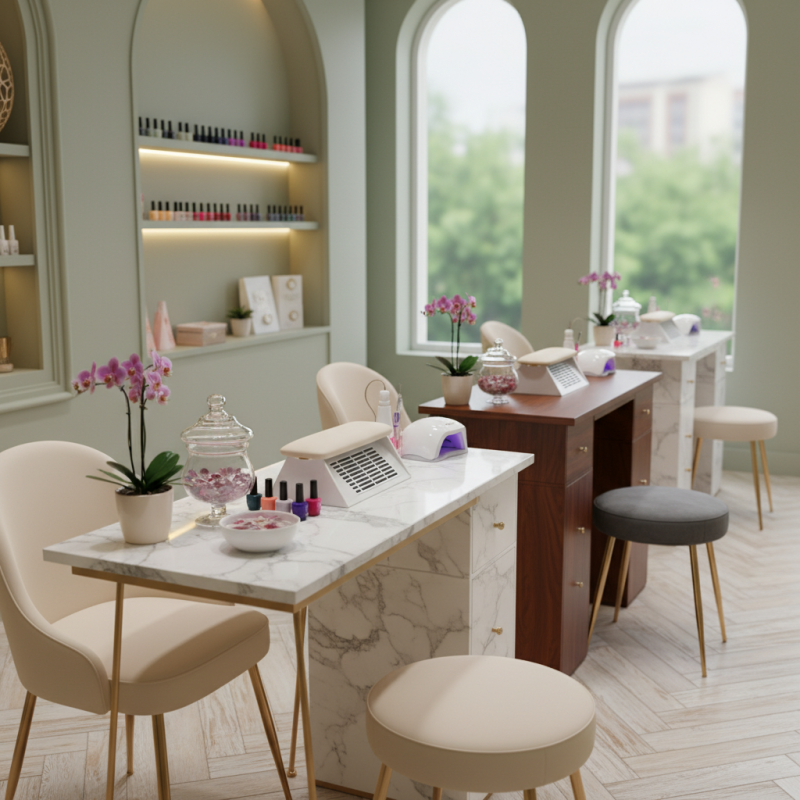
Types of Materials Commonly Used for Manicure Tables
When choosing materials for manicure tables, several options stand out. Wood is a traditional choice. It offers warmth and durability. However, wooden tables can be prone to scratches and water damage. This makes maintenance essential. Consider sealing wood surfaces to protect against wear.
Metal is another popular material. Stainless steel is often used due to its modern look and resistance to chemicals. It cleans easily, but it can feel cold to touch. Think about adding a soft mat for client comfort. Acrylic is also gaining popularity. It is lightweight and can come in various colors. However, acrylic can scratch easily and may not last as long as other materials.
Tips for choosing the right material include considering the intended use of the table. If you expect heavy use, opt for something sturdy. Think about aesthetics too—some materials may fit better with your overall decor. Pay attention to how each material feels to clients. Comfort is key during long appointments. Always keep in mind that the ultimate goal is to create a welcoming environment.
Durability Considerations for Nail Salon Table Materials
When selecting materials for nail salon manicure tables,
durability is a key factor. A salon table undergoes frequent use. It encounters various products
that can cause wear and tear. Therefore, the right material must withstand daily challenges.
Wood is a popular choice for its aesthetic appeal.
However, it can be prone to scratches and stains. Regular maintenance is essential to keep wooden surfaces
looking fresh. In contrast, metal surfaces offer resilience.
They resist damage from spills and are easy to clean. Yet, they may not provide the warmth that clients often seek
during their experience.
Another option is composite materials. These can combine aesthetics and durability.
They often mimic wood but are more resistant to damage. While many salons prefer these for their practicality, some may
overlook the need for periodic checks. Regular inspections help ensure that the material remains in good shape.
Each material has its pros and cons, and making an informed choice is crucial for longevity.
Aesthetic Appeal: Choosing Colors and Finishes for Manicure Tables
The aesthetic appeal of nail salon manicure tables can greatly influence the overall atmosphere of the space. Choosing the right colors and finishes is essential for creating an inviting environment. Light pastel shades, like soft pinks or mint greens, can evoke a calming vibe, making clients feel relaxed. On the other hand, bold colors, such as deep navy or vibrant teal, can create a dynamic energy that attracts attention.
Finishes are equally important. A high-gloss finish can add a touch of elegance, reflecting lights beautifully. However, it may require frequent upkeep to maintain that polished look. Matte finishes offer a contemporary feel but may show wear and tear more quickly. This could lead to a need for regular replacements or refinishing, an aspect worth considering for long-term planning.
While focusing on aesthetic appeal, it’s easy to overlook practical aspects. For example, dark colors might show dust or spills more prominently, requiring more frequent cleaning. Additionally, finishes that are too gloss or shiny can reveal fingerprints and smudges instantly. Finding the right balance between beauty and functionality is critical in creating a nail salon that not only looks great but also serves the needs of the clients effectively.
Best Materials for Nail Salon Manicure Tables
Hygiene and Maintenance: Best Practices for Table Materials
When choosing materials for manicure tables, hygiene and maintenance are crucial. Non-porous surfaces, such as acrylic and glass, are preferred. These materials resist stains and bacteria, making them easier to clean. A study by the Nail Industry Council found that 72% of salons reported using non-porous materials for better sanitation.
Wood tables can be appealing, but they often require more upkeep. Wood is porous, allowing for the absorption of moisture and chemicals. This can lead to bacterial growth if not properly maintained. Regular sealing and finishing can help, but it is not foolproof. Salons should be aware of the potential contamination risks associated with wooden surfaces.
Using
disinfectants is essential for maintaining hygiene. The CDC recommends using
EPA-approved disinfectants to clean surfaces after each client. Additionally,
operator training is vital for ensuring that all staff understand proper cleaning protocols. While some materials may seem durable, improper care can compromise their effectiveness. It's a balancing act between
aesthetics and functionality in selecting the best table materials.
Eco-Friendly Options for Sustainable Nail Salon Furniture
Choosing eco-friendly materials for nail salon manicure tables is crucial for sustainability. Many salon owners overlook the environmental impact of their furniture choices. According to a report by Green America, furniture production contributes approximately 8-10% of global carbon emissions. Selecting sustainable materials can significantly reduce this footprint.
Bamboo and reclaimed wood present excellent options. Bamboo grows rapidly and is renewable. Reclaimed wood adds character and prevents deforestation. A survey conducted by the Sustainable Furnishings Council found that 82% of consumers prefer businesses committed to environmental responsibility. Incorporating these materials could enhance your salon's appeal to eco-conscious clients.
It’s essential to consider durability as well. Eco-friendly materials may wear differently than traditional options. Some users report their bamboo desks were prone to scratches. Thus, evaluating the longevity of materials is vital. In recent assessments, 40% of salon owners indicated they prioritize aesthetics over sustainability. Balancing these factors can lead to a more thoughtful, sustainable practice.
Best Materials for Nail Salon Manicure Tables
| Material |
Eco-Friendly Rating |
Durability |
Maintenance |
Cost Range |
| Bamboo |
High |
Medium |
Low |
$100 - $300 |
| Recycled Wood |
High |
High |
Medium |
$150 - $400 |
| Glass |
Medium |
High |
High |
$200 - $500 |
| Metal (Aluminum) |
Medium |
Very High |
Medium |
$300 - $700 |
| Composite Material |
Low |
Medium |
Medium |
$80 - $250 |
FAQS
: Light pastel shades like soft pinks and mint greens can evoke a calming vibe.
Bold colors such as deep navy or vibrant teal can create dynamic energy and attract attention.
High-gloss finishes add elegance but require frequent upkeep. Matte finishes offer a contemporary feel.
Non-porous surfaces, like acrylic and glass, are preferred for better sanitation and easier cleaning.
Wood is porous and can absorb moisture and chemicals, leading to bacterial growth if not maintained.
Use EPA-approved disinfectants after each client and train staff on proper cleaning protocols.
Bamboo and reclaimed wood are excellent eco-friendly options for nail salon furniture.
Some eco-friendly materials, like bamboo, may be prone to scratches and wear over time.
It's important to choose materials that look good but also meet hygiene and maintenance needs.
By using sustainable materials, salons can enhance their appeal to clients who value environmental responsibility.
Conclusion
When considering "Which material is best for nail salon manicure tables?", there are several factors to evaluate, as highlighted in the article. Common materials include wood, laminate, glass, and metal, each offering distinct benefits. Durability is essential, with materials needing to withstand regular wear and tear while maintaining their aesthetic appeal. Choosing the right colors and finishes can enhance the salon's ambiance and reflect the overall design theme.
Hygiene and maintenance are critical aspects of selecting table materials, as these surfaces must be easy to clean and sanitize. The article also emphasizes the importance of eco-friendly options, promoting sustainability in nail salon furniture choices. By considering these elements, salon owners can select materials that not only meet functional needs but also contribute to a pleasant customer experience.

 Sincera Furniture