How to Choose a Chair for Long Facial Treatments?

Time:2026-10-29 Author:Amelia
0%

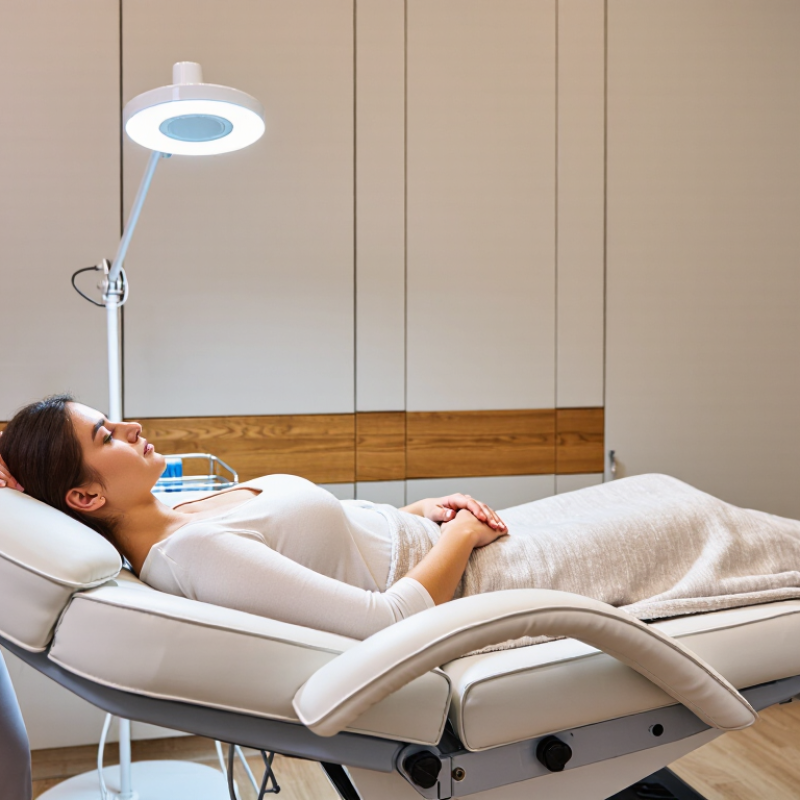
A facial treatment can last an hour or more, while a client lies still beneath bright task lighting. A firm headrest, narrow arm support, or awkward recline can become noticeable long before the treatment ends. For estheticians, the chair also affects access to the client and the ability to work without repeatedly leaning or twisting. Comfort is not a luxury detail. It shapes the treatment experience.

The International Spa Association’s 2024 U.S. Spa Industry Study reported 187 million spa visits in 2023. That figure signals substantial demand, though the report does not measure chair comfort or treatment length. So, what should a buyer look for? The question “What is the most comfortable chair for long facial treatments?” has no single answer. Client body size, treatment position, room layout, and practitioner height all matter. Small details count.

Ergonomics offers a useful lens. Cornell ergonomics professor Alan Hedge is often associated with the reminder, “The best posture is the next posture.” That principle supports adjustable height, stable recline, and easy position changes—not simply thick padding. Before choosing, test the chair at working height and notice where your shoulders, wrists, and knees settle. A plush surface can still feel wrong after an hour. And one practical truth is easy to miss: even a well-designed chair may need a fitted cushion or a different headrest for a particular client. The sections ahead compare support, adjustability, materials, and room fit, while keeping both client comfort and practitioner workload in view.
How to Choose a Chair for Long Facial Treatments?

Define Treatment Length and Therapist Reach Before Comparing Chair Types

Before comparing chair types, write down the real treatment schedule. Include consultation, cleansing, extractions, mask time, and cleanup. A 45-minute service can keep a client still longer than expected. Note how often you adjust the headrest or ask clients to turn. Small details matter.

Then check the therapist’s reach in the actual workspace. Measure the chair height and width, and note where the client’s head sits when reclined. Can you reach the forehead, cheeks, and jaw without leaning across the client? Keep commonly used tools within easy reach. If you work from both sides, test each position. A tape measure cannot capture everything.

Try a mock treatment with the chair set up as it would be during a busy day. Notice pressure on your lower back, shoulder tension, and whether the client stays comfortably supported. Ask a colleague of a different height to repeat the test. It is not a perfect measure; people move, and rooms vary. Still, these observations give you practical criteria for comparing fixed, reclining, or adjustable chairs.

Set Working Height Using OSHA’s 90°–120° Elbow-Posture Guidance

How to Choose a Chair for Long Facial Treatments?

Set the treatment chair and your own seat around your working posture, not just the client’s comfort. OSHA’s Computer Workstations eTool recommends keeping elbows close to the body, bent between 90° and 120°. This guidance was written for computer work, but it offers a useful reference for facial work. Sit upright, relax your shoulders, and bring your forearms level with the treatment area. Check the angle while holding your hands where they will actually work. A chair that feels comfortable while empty may sit differently once you lean forward.

Small adjustments matter. Raise or lower the seat until your elbows stay in range without lifting your shoulders or bending your wrists sharply. If the client’s face is too low, adjust the treatment surface or chair position before hunching over. OSHA’s guidance is a starting point, not a guarantee; client height and treatment steps change your reach. Recheck during longer appointments.

The U.S. Bureau of Labor Statistics reported 27.2 musculoskeletal disorder cases per 10,000 full-time workers in 2022. That figure covers many occupations, not facial-treatment providers specifically, but it reinforces the value of reducing awkward posture. An occasional posture check can feel fussy. It is still worth doing.

Check Adjustability for Supported Feet, Neutral Hips, and Patient Entry

A chair that adjusts in small, predictable steps makes long facial treatments easier to set up. Set its height so the practitioner’s feet rest flat, or fully supported on a footrest. Dangling feet can encourage shifting and tension. Aim for thighs close to level and hips in a neutral position, without forcing the back into a rigid pose. Check this while seated, not just by looking at the chair. A few centimetres can change how the pelvis and shoulders settle.

Patient entry matters too. Lower the chair before inviting someone to sit, and look for clear space around the base and armrests. If armrests move aside, confirm they lock securely before treatment. For patients who need extra time, offer a steady handhold and explain each adjustment before changing the chair. Keep the route clear of stools, cords, and rolling carts. Small details count. It is easy to focus on the practitioner’s posture and overlook the patient’s first step. Recheck both positions after changing the chair height; I would not assume one setting suits every person or service.

Match Upholstery Cleaning to EPA-Label Disinfectant Contact Times

Choosing a chair for long facial treatments is also a cleaning decision. Look for upholstery that tolerates the disinfectant you plan to use, with few seams where residue can collect. A smooth surface is easier to wipe, but it still needs careful attention. Check the chair maker’s care instructions before selecting a product. A finish that looks durable may still discolor or crack with repeated chemical exposure.

EPA-registered disinfectants list a required wet contact time on their labels. The surface must stay visibly wet for that full period to meet the label directions. A quick spray and wipe may not be enough. Clean away oils, makeup, and other visible soil first, since debris can interfere with disinfection. If the upholstery dries too soon, follow the label for reapplication; don’t guess or shorten the time. Also confirm that the product label permits use on the chair’s material.

It is easy to underestimate the time this takes between clients. Choose a chair whose sides, seams, and adjustment points are easy to reach without awkward stretching. Test a compatible product on a hidden spot, and check for changes over repeated use. Keep the label accessible for staff. Small routines can slip on a busy day, so a simple written cleaning sequence may help.

Verify Chair Stability and Durability with ANSI/BIFMA X5.1 Test Records

During a long facial treatment, small shifts matter: a rocking base or slipping recline can interrupt precise work. Ask the seller for the complete ANSI/BIFMA X5.1 test report, not only a certificate or marketing claim. BIFMA’s ANSI/BIFMA X5.1-2017 standard includes a 100,000-cycle seat durability test. Check that the report identifies the tested chair, test edition, loads, results, and laboratory. That cycle count describes a test sequence, not a guaranteed service life.

Small details matter.

X5.1 is designed for general-purpose office seating, so confirm that the tested configuration matches the treatment chair’s base, reclining mechanism, and foot support. Ask for stability results and note the conditions under which the chair was tested, especially if it reclines deeply. A report for a similar-looking model may not cover the chair in your room. Still, a pass is not everything. Press gently on the armrests and watch for base movement; inspect joints and fasteners after repeated adjustments. ANSI/BIFMA X5.1 records assess structural performance, but they do not establish comfort during a facial session or upholstery cleanability. I would keep those checks separate.

FAQS

What treatment details should I note before comparing chairs?

Record consultation, cleansing, extractions, mask time, and cleanup. A 45-minute service may keep clients still longer than expected.

How can I check whether the chair fits my reach?

Measure chair height and width, then note where the client’s head rests when reclined. Check whether you can reach the forehead, cheeks, and jaw without leaning across the client. Keep tools nearby.

Why try a mock treatment before choosing a chair?

Set it up as you would during a busy day. Notice lower-back pressure, shoulder tension, and whether the client feels supported. Ask a colleague of another height to repeat the test. It is not perfect.

What seating position can support the practitioner during a long treatment?

Adjust the chair so your feet rest flat or on a footrest. Keep your thighs close to level and your hips neutral. A few centimetres can change how your shoulders settle.

What should I check before a client gets into the chair?

Lower the chair and clear stools, cords, and carts from the route. Check that movable armrests lock securely. Explain adjustments before making them. Small details count.

What should a chair durability test report include?

Request the complete report, not just a certificate or sales claim. Look for the tested chair, test edition, loads, results, and laboratory. Confirm that the tested setup matches the chair’s base and reclining parts.

Does a 100,000-cycle seat test guarantee how long a chair will last?

No. That number describes a test sequence, not a guaranteed service life. A pass also does not establish comfort during facial treatments or upholstery cleanability.

How can I check chair stability during routine use?

Gently press the armrests and watch for base movement. Inspect joints and fasteners after repeated adjustments. I would keep comfort and cleaning checks separate; one result cannot answer everything.

Conclusion

Choosing a chair for long facial treatments starts with understanding how long each service lasts and how far the therapist must reach. These details help determine whether a chair’s shape and range of motion support the work without encouraging awkward leaning. Set the working height so the therapist can keep elbows within OSHA’s 90°–120° posture guidance, then check that the chair allows supported feet, neutral hips, and comfortable patient entry and exit.

What is the most comfortable chair for long facial treatments? It is one that can be adjusted to suit both the therapist and the client, with stable support throughout the session. Consider upholstery that can be cleaned according to the contact times on the disinfectant’s EPA label, and review ANSI/BIFMA X5.1 test records for information about stability and durability. Together, these checks help guide a practical choice for extended treatments.

Amelia

Amelia

Amelia is a seasoned marketing professional with a wealth of expertise in our company’s core offerings. With an unwavering passion for driving growth and innovation, she plays a pivotal role in shaping our marketing strategies and enhancing brand visibility. A key aspect of her responsibilities......