Choosing the right ergonomic esthetician chair is crucial for both clients and professionals. According to a recent report from the American Society of Dermatologic Surgery, around 60% of estheticians report experiencing discomfort during treatments. This highlights the importance of selecting a chair that reduces strain and improves posture.
Experts emphasize what to look for in an ergonomic esthetician chair. Dr. Sarah Mitchell, a leading authority on workplace ergonomics, states, “A well-designed chair can make all the difference in enhancing performance and ensuring comfort.” Features like adjustable height, cushioned seats, and back support play a vital role in preventing fatigue and injuries.
Additionally, the aesthetics of the chair shouldn’t be overlooked. A visually appealing design can elevate the ambiance of your practice while ensuring functionality. Estheticians must be mindful, reflecting on how their chair choice impacts their daily routines and client experiences. Investing in the right chair is not just practical; it’s essential for delivering quality service and maintaining long-term career health.
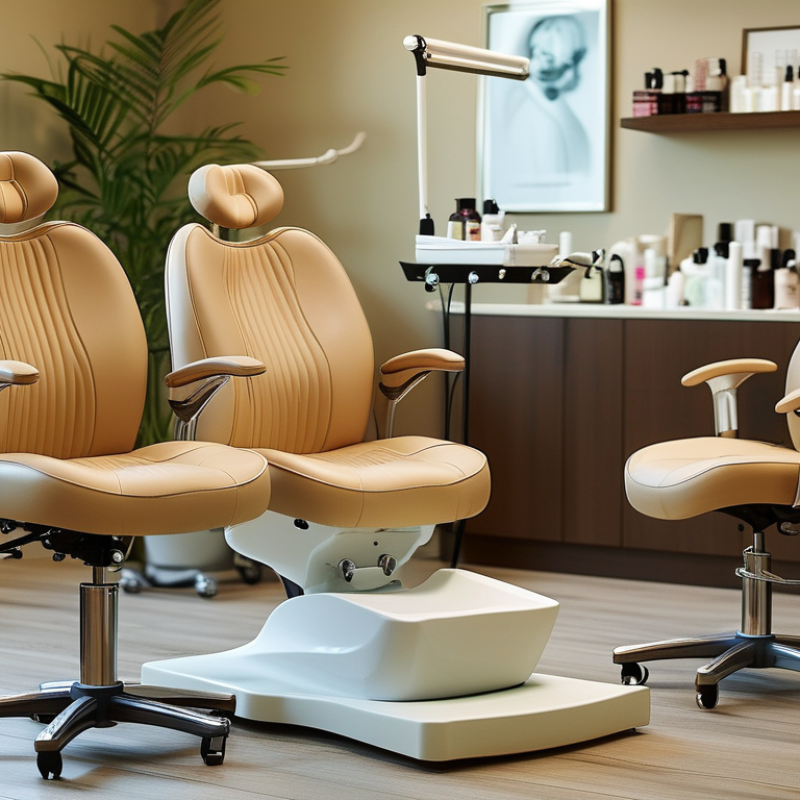
When selecting an ergonomic esthetician chair, consider key factors that impact both comfort and effectiveness. Research indicates that about 90% of estheticians report discomfort during long hours of work. Evaluating adjustability is crucial; a chair that can easily change height supports various treatment angles. Adjustable lumbar support also ensures spine alignment, reducing fatigue.
Seat width and padding play significant roles. A chair should accommodate different body types, providing sufficient cushioning for extended use. Statistics reveal that discomfort can lead to decreased productivity. Therefore, ensuring the chair supports prolonged sitting without pain is essential.
Tips: Test the chair before purchasing. Spend at least 10 minutes sitting in it to assess comfort. Consider material breathability; this affects temperature control. Look for a chair that supports movement to avoid stiffness during sessions. This isn’t just about comfort, but also about maintaining a professional posture throughout the day.
Choosing the right material for an ergonomic esthetician chair is essential for durability. High-quality materials can significantly enhance longevity and comfort during long working hours. Reports from the American Society of Interior Designers emphasize that well-constructed chairs can last up to ten years with proper care. This is important as estheticians often work for several hours at a time.
Leather, for example, is a popular choice for its elegance and ease of cleaning. It withstands wear and tear well, but it’s also crucial to choose real leather over synthetic alternatives. Synthetic materials may look appealing but may degrade faster. Research has shown that chairs made from genuine leather can resist cracking and fading at rates less than 5% over five years, compared to up to 30% in synthetic options.
Additionally, consider the chair's frame and base. A metal frame often offers superior stability compared to plastic components. The American Furniture Manufacturers Association reports that chairs with metal frames exhibit 20% greater durability. This stability ensures safety for both the client and esthetician. Reflect on these choices. Cheaper options may seem tempting but can lead to higher costs in the long run.
When selecting an ergonomic esthetician chair, adjustability features play a crucial role. A chair that caters to various client needs can significantly enhance comfort during treatments. Consider options that allow for seat height adjustments to accommodate different body types. A chair that can recline or tilt also benefits clients who may need to rest in a specific position.
Look for adjustable armrests. They provide support while allowing for customization based on individual preferences. Footrests that can be raised or lowered add another layer of comfort. Optimal positioning prevents strain on both the client and the esthetician.
However, achieving the perfect setup requires some trial and error. Not every feature will suit every client. It’s essential to assess the chair's flexibility and your unique treatment styles. Regularly seek feedback from clients. This can lead to better understanding their comfort needs during appointments. Finding the right balance may take time, but it is worth the effort for an improved experience.
When selecting an ergonomic esthetician chair, the design and aesthetics play a crucial role in your salon's ambiance. The right chair not only needs to be comfortable but also should align with your salon's overall look. Colors, materials, and shapes must complement existing décor. Imagine a sleek, modern chair in a minimalist space or a beautifully upholstered piece in a vintage-themed salon. This harmony can enhance your clients’ experience.
Tips: Choose a color that reflects your brand. Neutral tones create calm, while vibrant colors can energize the environment. Consider materials that are both attractive and easy to clean.
The chair's shape and style should suit your salon's vibe. A chunky, hefty design may seem out of place in a chic, airy salon. Evaluate the space available. A large chair in a small area can feel cramped. Conversely, a delicate chair in a spacious salon may seem lost.
Tips: Always measure your space before purchasing. Ensure that the chair fits comfortably without overcrowding the area. Listen to client feedback about comfort and aesthetics; it can guide future choices.
When selecting an ergonomic esthetician chair, budgeting is crucial. According to a report by the American Society of Interior Designers, around 40% of estheticians prioritize comfort and quality when purchasing equipment. However, they often struggle to align their budget with these needs. A high-quality chair may range from $300 to $1,500. This significant price variability demands careful consideration.
Quality chairs not only enhance comfort but also improve client satisfaction. Comfortable seating can lead to longer treatment sessions, increasing revenue potential. Yet, many estheticians fall prey to cheaper options that compromise durability and ergonomics. Research indicates that low-quality chairs can lead to increased back pain and reduced productivity over time. Therefore, investing in a quality chair is more than just an expense; it is a long-term investment in health and business efficiency.
Balancing quality with cost requires reflection on usage frequency and target clientele. If a chair is used daily, any savings from a lower-cost option may quickly evaporate due to replacement costs and health impacts. Well-designed chairs often offer better warranties and customer support. Ultimately, understanding the long-term implications of your chair choice can guide you towards a more informed, beneficial decision.
: High-quality materials like genuine leather offer durability and comfort. They can last up to ten years with proper care.
Real leather resists cracking and fading better. Chairs made from it have less than 5% wear over five years.
Look for adjustable seat height, reclining options, and customizable armrests. These features cater to different client needs.
A metal frame provides superior stability. Chairs with metal frames are 20% more durable than those with plastic components.
Balancing quality and cost is crucial. High-quality chairs offer better comfort and improve client satisfaction.
Regularly seek client feedback about comfort. It's essential to adjust features to suit their specific preferences.
Cheaper chairs may compromise durability and ergonomics. They can lead to back pain and reduced productivity over time.
Regular assessment is key. Client comfort needs can change, so flexibility in features is vital for optimal experience.
Often not. Lower-cost chairs may require replacements, leading to higher long-term expenses due to health impacts.
Consider your frequency of use and target clientele. Understanding long-term implications is vital for an informed decision.
When choosing an ergonomic esthetician chair, it’s essential to understand what to look for in an ergonomic esthetician chair. Key factors include the material quality and durability, as these elements significantly impact the chair's longevity in a busy salon environment. Opt for materials that are not only sturdy but also easy to maintain, ensuring that the chair remains in good condition over time.
Additionally, consider the adjustability features of the chair, as they provide essential comfort for various client needs. Aesthetics should not be overlooked; the chair's design should complement your salon's ambiance. Finally, budgeting is crucial; finding the right balance between quality and cost will ensure you invest wisely in a chair that meets both functional and stylistic demands. Making informed decisions on these factors will help enhance both the client experience and the esthetician's work environment.
