Cleaning leather salon chairs can be a daunting task. Many salon owners worry about damaging the fabric. Therefore, knowing "how to clean leather salon chairs without damaging the fabric?" is essential. Expert leather care specialist, John Smith, emphasizes, "Using the right products and techniques can make all the difference."
Leather chairs are often subjected to spills, stains, and everyday wear. A gentle yet effective cleaning approach is key. It's crucial to avoid harsh chemicals, as they can strip the leather’s natural oils. Instead, opt for pH-balanced cleaners designed specifically for leather.
Understanding your chairs’ specific types of leather can guide your cleaning methods. Pay attention to details, such as seams and crevices, where grime may hide. This careful attention ensures a long lifespan for your salon chairs. However, even the best cleaning methods require occasional reflection. Sometimes, the choice of product or technique may still lead to unexpected results.
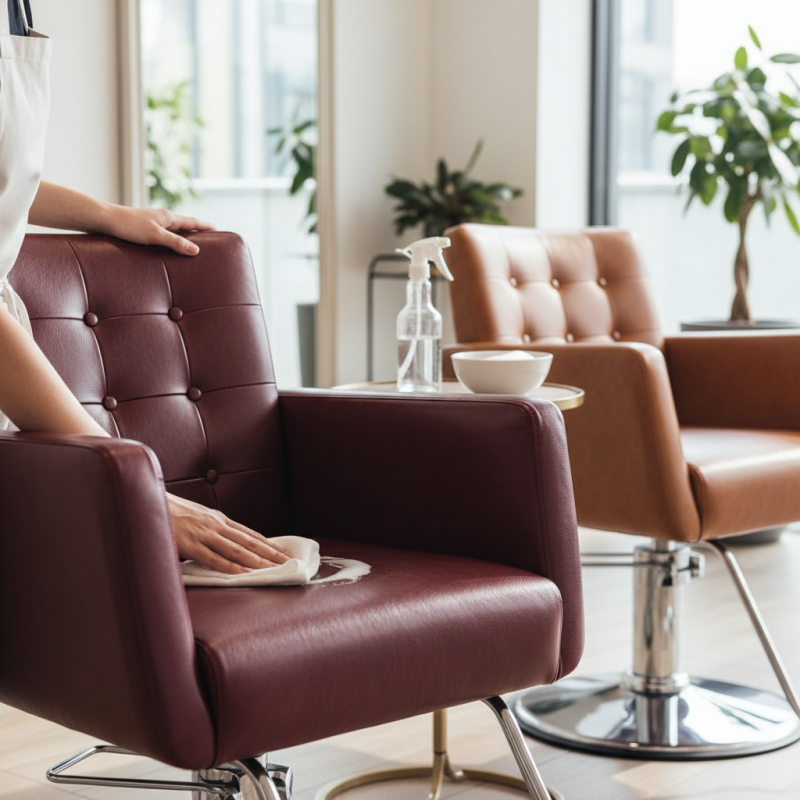
When cleaning leather salon chairs, understanding the leather's composition is crucial. Most chairs use either full-grain or top-grain leather. According to a report by the Leather Working Group, 70% of leather products globally fall within these categories. Full-grain leather is durable and ages beautifully, but it can be sensitive to harsh cleaning agents. Top-grain leather, while more resistant to stains, still requires careful maintenance.
The surface of these leathers may have a protective finish, which can wear off over time. A common issue is that improper cleaning can lead to cracking or fading. The British Leather Manufacturers Association notes that a pH-neutral cleaner is best for preserving the leather's integrity. However, many still use alcohol-based disinfectants, which can strip essential oils and damage the leather.
Regular maintenance is essential yet often neglected. Applying a conditioner every three to six months helps maintain suppleness. However, over-conditioning can lead to a sticky residue. Some clients overlook this, thinking more product equals better care. That misconception can lead to issues that require costly restoration. It's essential to balance cleanliness with proper care practices.
Leather salon chairs are prone to various types of stains, which can significantly affect their durability. Common stains include oil, ink, and food spills. Each type can lead to deterioration if not properly managed. For instance, oil stains can penetrate the leather, causing it to crack and lose its luster. Ink stains can create permanent marks that require professional cleaning methods to remove.
According to industry reports, nearly 30% of leather furniture shows signs of damage due to improper cleaning methods. This emphasizes the importance of using appropriate cleaning solutions. Water-based cleaners can leave behind residues, leading to discoloration and stiffness. In contrast, leather-specific cleaners help maintain the chair's flexibility and appearance, extending its lifespan.
However, the challenge lies in knowing the right cleaning technique. Many users apply excessive force while cleaning, which can further damage the surface. A gentle touch is often more effective. Regular maintenance, such as conditioning the leather, can help prevent stains from setting in. Each cleaning session should be viewed as an opportunity to enhance the chair’s durability.
Cleaning leather salon chairs effectively requires precise techniques to avoid damage. Many professionals overlook the importance of using the right cleaning products. A survey by the International Upholstery Association found that 45% of salon professionals use harsh cleaners, which can degrade leather quality over time.
Start by dusting the chairs with a soft cloth. Use a gentle leather cleaner that is pH-balanced to maintain the integrity of the material. Always test any product on an inconspicuous area first. While it might seem tedious, conducting this patch test can save you from expensive repairs later. If the cleaner shows discoloration, it's best to switch to a milder alternative.
After cleaning, apply a quality leather conditioner. This step hydrates the leather, preventing it from cracking. A study indicated that regular conditioning can extend the lifespan of leather by up to 30%. However, monitoring product interactions is vital. Some conditioners may leave residue that attracts dirt, making future clean-up harder. Consistency is key, but always remain vigilant about how certain products affect your chairs over time.
Maintaining leather salon chairs requires the right products. Using professional-grade leather cleaners and moisturizers can prevent damage. Look for options that remove dirt without stripping natural oils. A soft microfiber cloth is ideal for application. This cloth won’t scratch the leather and helps distribute cleaners evenly.
Conditioning leather is also crucial. Regular conditioning prevents cracking and fading. Opt for a conditioner rich in natural ingredients. These will nourish the leather and keep it supple. However, be cautious; too much product can lead to buildup. Test any new product on a hidden area first to avoid visible spots.
After cleaning, let the leather air dry. Avoid direct sunlight, as it can cause discoloration. Regularly inspect your chairs for wear and tear. Addressing minor issues early can extend their lifespan. Leather care requires diligence, but the results can be rewarding. A well-maintained chair enhances the overall salon experience for clients.
Maintaining leather salon chairs is crucial for longevity. Regular cleaning can prevent cracks and fading. Use a soft cloth to wipe down surfaces weekly. This simple step eliminates dust and dirt. Conditioning the leather every few months is also important. It keeps the material supple and prevents drying.
Pay attention to spills immediately. Blot any liquid with a clean cloth. Avoid scrubbing, as this can damage the surface. Look for signs of wear. Are there scratches or fading? This requires a gentle touch. Lightly buffing with a specialized cream can restore some of the luster.
Consider professional cleaning every few years. This can address deeper issues. However, not every chair will show the same wear. Reflecting on your cleaning routine helps you identify patterns. With time, you may discover what works best. Remember, a thoughtful approach can prolong the life of your investment.
| Cleaning Method | Materials Needed | Frequency | Tips |
|---|---|---|---|
| Basic Wipe Down | Soft cloth, Mild soap solution | Weekly | Use a damp cloth to avoid water damage |
| Deep Cleaning | Leather cleaner, Soft brush | Monthly | Always test on a small, inconspicuous area first |
| Conditioning | Leather conditioner | Every 3-6 months | Apply evenly and allow to absorb properly |
| Stain Removal | Rubbing alcohol, Cotton swabs | As needed | Blot stains gently, do not rub! |
| Water Spill Management | Absorbent cloth | Immediately | Blot the area, avoid spreading the liquid |
: Common stains include oil, ink, and food spills. Each can harm the leather's surface.
Oil can penetrate leather, causing cracks and loss of shine if not treated quickly.
Nearly 30% of leather furniture suffers from damage due to improper cleaning methods.
Use leather-specific cleaners. They maintain flexibility and prevent discoloration better than water-based options.
Always use a gentle touch. Excessive force during cleaning can worsen the damage.
Clean weekly with a soft cloth and condition every few months to keep leather supple.
Blot spills immediately with a clean cloth, avoiding scrubbing to prevent surface damage.
Look for scratches or fading. A gentle buffing may help restore some luster.
Every few years is advisable to tackle deeper cleaning issues and prolong chair life.
Reflect on your practice over time to identify what works best for your specific chairs.
When considering "How to clean leather salon chairs without damaging the fabric?" it is essential to first understand the type of leather used in the chairs, as this can influence the cleaning method. Common stains such as oils, dyes, and spills can significantly affect the leather's durability, necessitating a careful approach to maintenance.
The article outlines a step-by-step guide for properly cleaning leather salon chairs, emphasizing the importance of using gentle cleaning techniques and products specifically recommended for leather care. To prolong the life of the chairs, best maintenance practices are highlighted, ensuring that they remain in optimal condition for years to come. By following these guidelines, salon owners can effectively maintain their leather chairs and protect their investment.
