In the beauty and wellness industry, maintaining hygiene is paramount. Knowing how to sanitize spa equipment between clients is essential for health and safety. Clients trust us to provide a clean environment, so we must meet those expectations.
Sanitizing equipment effectively isn't just about appearance. It requires proper methods and protocols. In many cases, spas overlook the details, leading to potential risks. For example, a single unclean tool can transmit bacteria. This highlights the importance of thoroughness in our cleaning processes.
The evolving landscape of health regulations also affects our practices. Staying informed about the best sanitizing techniques is critical. We need to use approved products and adhere to the guidelines. Being proactive in our cleaning routines safeguards not just our clients, but also our business reputation. Understanding how to sanitize spa equipment between clients is the first step toward achieving a safe spa environment.
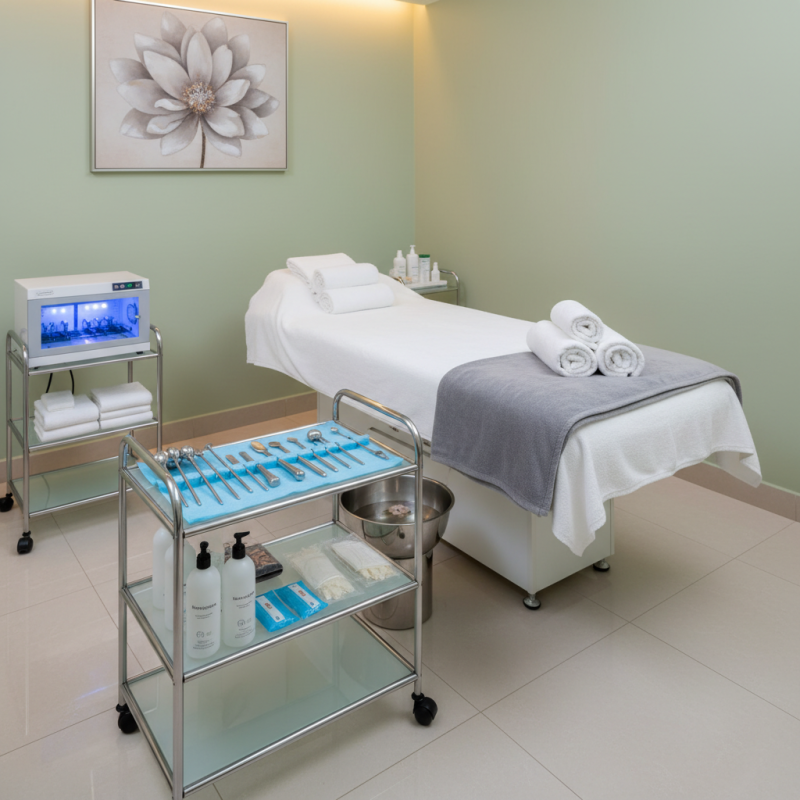
Essential Steps for Sanitizing Spa Equipment Between Clients
Sanitizing spa equipment between clients is crucial for health and safety. According to the Centers for Disease Control and Prevention (CDC), about 1 in 5 consumers may acquire an infection from contaminated equipment. The need for a meticulous sanitation process is evident.
Begin by using a disinfectant that is effective against bacteria and viruses. Select products with EPA registration. Make sure to follow the manufacturer's instructions closely. This ensures optimal contact time for the disinfectant.
Pay attention to high-touch surfaces. Items like massage tables, tools, and foot baths require special focus. Studies show that proper sanitation can reduce pathogen presence by up to 99.9%.
Train therapists in effective cleaning techniques. Encourage them to create a routine and checklist for sanitation. Regular staff assessments can help identify areas for improvement. While the goal is to maintain a spotless environment, imperfections can highlight the need for better processes. For example, if a therapist notices residue on a surface post-sanitization, it reveals the importance of thorough cleaning.
Being vigilant about these details fosters a safer and more inviting space for clients.
Recommended Sanitizing Solutions for Spa Settings
Sanitizing spa equipment is crucial for client safety. In spa settings, proper sanitization helps prevent the spread of germs and infections. According to the CDC, up to 81% of spa-related infections come from improperly cleaned equipment. It's essential to adopt effective sanitizing solutions regularly.
For surfaces and tools, consider using EPA-approved disinfectants. Opt for products that can kill a broad spectrum of pathogens while being gentle on materials. Alcohol-based solutions that contain at least 70% isopropyl alcohol are effective for quick disinfection. However, they may not be suitable for all surfaces. Always check the compatibility of the sanitizing agent with the equipment.
Tips: Always label cleaning supplies clearly. Use disposable wipes for a quick clean between clients. Additionally, maintain a cleaning log. This practice can help track sanitizing routines and improve accountability. Regular staff training on proper sanitizing techniques is also beneficial. Keep in mind that occasional overlooked areas can be breeding grounds for bacteria. Thus, it's vital to stay vigilant.
Proper Techniques for Cleaning Different Types of Spa Equipment
Sanitizing spa equipment is vital to client safety. Different equipment requires different cleaning methods. For instance, tools like massage tables should be wiped down with disinfectant wipes. These wipes can kill 99.9% of germs, ensuring thorough sanitation. Regular cleaning reduces the risk of cross-contamination between clients.
Hot tubs and whirlpools present unique challenges. The water must be treated with sanitizing chemicals, such as bromine or chlorine. A study showed that improperly maintained spa water could harbor pathogens, leading to illnesses. Regular water testing and routine cleaning cycles enhance safety.
Facial steamers require meticulous care. They should be drained, cleaned with a suitable disinfectant, and rinsed thoroughly after each use. According to industry standards, steamers need specific maintenance to prevent mold growth. Neglecting these details can be costly in the long run.
Sanitization Effectiveness of Different Spa Equipment
Creating a Sanitation Schedule for Spa Operations
Creating a sanitation schedule is essential for spa operations. This ensures equipment is consistently cleaned and safe for clients. A well-structured plan not only protects clients but also enhances the spa's reputation. Schedule regular sanitation intervals throughout the day. Consider peak hours and breaks for effective cleaning.
Tips: Keep a checklist for every piece of equipment. Mark off items as they’re sanitized. It helps track what needs attention. Schedule deep cleans weekly. This can uncover hidden grime and reduce buildup over time. It’s essential to engage staff in these routines, fostering a culture of cleanliness.
Engaging with clients helps assess their comfort with sanitation practices. Don't overlook their feedback. It can highlight areas needed for improvement. Stay updated on best practices for sanitation. Implementing new techniques can greatly enhance your protocol. Regular training sessions for your team can ensure everyone is aligned with the spa's sanitation goals.
How to effectively sanitize spa equipment between clients? - Creating a Sanitation Schedule for Spa Operations
| Equipment |
Sanitation Method |
Frequency |
Responsible Staff |
| Massage Tables |
Disinfect with hospital-grade sanitizer |
After every client |
Massage Therapist |
| Facial Equipment |
Wipe down with antibacterial wipes |
After every client |
Esthetician |
| Spa Chairs |
Spray with disinfectant and let air dry |
After every client |
Technician |
| Towels |
Wash in hot water with bleach |
Daily |
Laundry Staff |
| Tools (e.g., scissors, brushes) |
Soak in sterilizing solution |
After every use |
Spa Technician |
| Water Jet Pools |
Shock treat water with chlorine |
Weekly |
Maintenance Staff |
Training Staff on Effective Sanitation Practices
Training staff on effective sanitation practices is essential in spa environments. According to the Spa Industry Association, over 70% of clients consider sanitation a top priority. Staff should receive regular training on proper cleaning techniques. This includes understanding which disinfectants are effective against common pathogens.
Sanitation protocols must be clear and standardized. Training sessions should include hands-on practice with various equipment. For example, training workers on how to clean massage tables, heat therapies, and facial tools is critical. Equipment should be cleaned between every client. Providing checklists can help ensure compliance.
Frequent assessments of sanitation practices can uncover gaps. For instance, an internal review might show that certain surfaces are often overlooked. Feedback from staff can lead to adjustments. Regular training keeps sanitation practices fresh in everyone’s mind. It fosters a culture of accountability and excellence.
Conclusion
In the spa industry, maintaining a clean and safe environment is crucial for client satisfaction and health. Understanding **how to sanitize spa equipment between clients** is essential for preventing the spread of germs and ensuring a hygienic experience. Key steps include thoroughly cleaning surfaces with appropriate sanitizing solutions and utilizing proper techniques tailored to different types of equipment, such as massage tables and tools.
Moreover, creating a sanitation schedule can help staff adhere to regular cleaning protocols, enhancing operational efficiency. Training personnel on effective sanitation practices is equally important, as it empowers them to maintain high standards of cleanliness. By implementing these strategies, spas can provide a safe and welcoming space for every client.

 Sincera Furniture