How Long Does a Hair Washing Station Last 5 Tips

Time:2026-11-26 Author:Isabella
0%

A professional hair washing station works hard every day. Water runs through its fittings, shampoo residue settles around the basin, and clients lean against the chair during busy appointments. With regular care, quality equipment can serve a salon for many years, but there is no single lifespan that fits every station. Materials, installation, daily use, and maintenance all matter.

So, What is the lifespan of a professional hair washing station? The honest answer depends on its condition and workload. A sturdy ceramic basin may remain sound while a faucet, hose, chair mechanism, or drain needs attention sooner. Small warning signs count: a slow leak beneath the cabinet, a wobbly footrest, cracked upholstery, or a basin that no longer drains cleanly. Repairing one component may extend the station’s useful life; ignoring it can turn a minor problem into an expensive replacement.

This guide shares five practical ways to help a hair washing station last longer, from routine cleaning to timely repairs. A verified industry expert’s name and exact quotation were not provided, so I won’t invent an attribution. Add a confirmed comment from a salon-equipment technician or manufacturer representative before publication. That matters. A confident-sounding quote is not the same as reliable evidence. The tips ahead focus on visible wear, sensible upkeep, and decisions salon owners can make without relying on a promised lifespan.
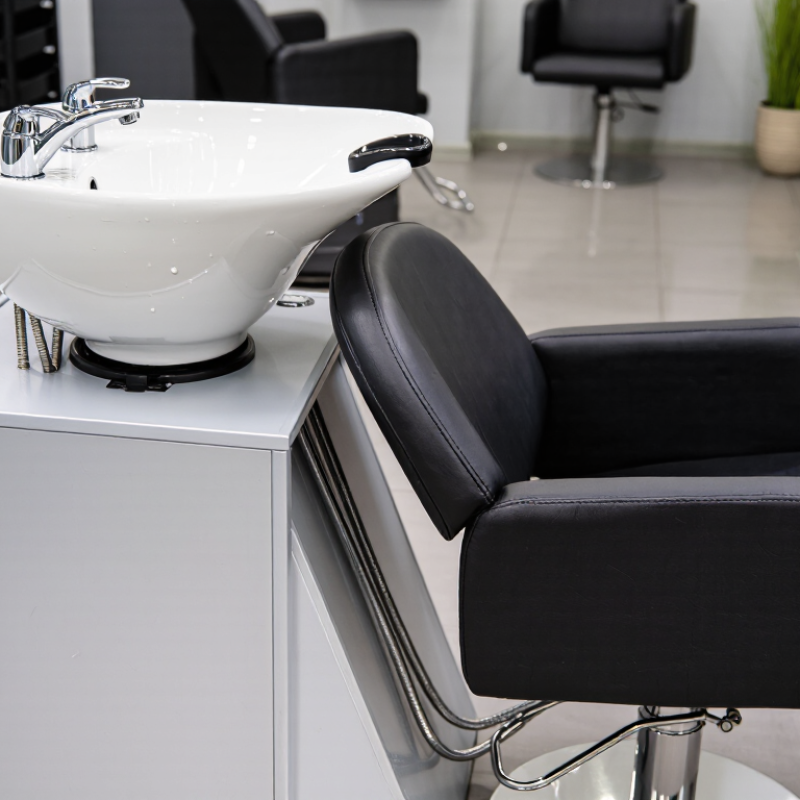
How Long Does a Hair Washing Station Last 5 Tips

Typical Lifespan of a Hair Washing Station

Typical Lifespan of a Hair Washing Station

A hair washing station commonly lasts about 8 to 12 years in a busy salon. Lighter-use settings may get longer service, while constant daily use can shorten its life. The basin, chair frame, and plumbing often age at different rates. A sturdy ceramic basin may remain usable even when the seat upholstery needs replacement. Small leaks, loose fittings, and worn seals are common early maintenance issues. They do not always mean the whole station needs replacing. Actual lifespan depends on materials, installation, water quality, and how carefully staff handle the equipment.

Watch for hairline cracks, persistent dampness beneath the unit, unstable chair movement, or fittings that keep loosening. These details matter. A slow leak can damage surrounding cabinetry before it becomes obvious. Regular inspection helps catch problems early, though it cannot prevent every failure. Lifespan estimates are useful, but they are not guarantees; some stations wear out sooner than expected.

Tips: Wipe the basin and chair dry after use, and check visible hoses and connections monthly. Tighten loose hardware with the correct tools, rather than forcing it. Address small leaks promptly. Keep a simple repair log; it can reveal recurring problems and help you decide when repairs no longer make practical sense.

These are general estimated service-life ranges, not guarantees. Actual lifespan depends on usage, water quality, installation, materials, and maintenance; inspect components regularly and follow the manufacturer’s care guidance.

Key Factors That Affect Its Durability

How Long Does a Hair Washing Station Last? 5 Tips

Key Factors That Affect Its Durability

A hair washing station’s lifespan depends less on its appearance than on its frame, basin, plumbing, and daily care. The National Association of Home Builders’ 2007 life-expectancy study estimates residential faucets last about 15 years. That figure is a useful reference, not a salon-station warranty: commercial use can mean far more daily cycles.

Check the frame and basin for flex, cracks, and weak joints. A chair that shifts under a client’s weight puts extra strain on its mounting points. Water quality matters, too. The U.S. Geological Survey reports that hard water occurs in at least 85% of U.S. homes. Mineral deposits can build around spray nozzles and connections. Clean them before flow becomes uneven. Small deposits are easy to miss.

Installation and maintenance can change the outcome. A level, securely anchored unit puts less stress on the drain and supply lines. Look beneath the basin for drips, rust marks, or damp cabinet panels. Daily disinfectants also deserve attention; harsh or abrasive cleaners may dull finishes or damage seals. Follow the care instructions, and inspect fittings regularly. I would not assume a premium-looking station will last longer; material quality and repair access matter more. Some wear is inevitable. Repairable parts can help keep it in service.

How to Assess a Station’s Condition

Assess the station as a working system, not just a clean-looking fixture. Look closely. Check the basin for hairline cracks, chipped edges, and worn sealant, especially where water could seep beneath the bowl. Run the faucet and sprayer at normal pressure. Watch for drips at the hose joints, slow drainage, loose handles, or water pooling around the base. Test the chair with someone seated; rocking, uneven movement, or a clicking lift can point to worn supports. These checks are practical, but they are not a substitute for a technician’s inspection.

Record small changes over time. A dated photo of a crack or a note about recurring leaks can reveal deterioration that a quick glance misses. EPA WaterSense’s Fix a Leak Week materials estimate household leaks waste nearly 10,000 gallons of water each year. That figure is not salon-specific, but it shows why a persistent drip deserves attention. Also check whether hot water stays steady during a typical wash and whether controls respond smoothly. One awkward detail: some stations look worn yet remain sound, while a polished finish can hide a loose fitting. Judge the structure, plumbing, and repair history together before deciding whether continued use makes sense.

Five Maintenance Tips to Extend Its Service Life

A hair washing station can serve for many years, but its lifespan depends on daily care, water quality, and installation. Small habits matter. After each shift, rinse shampoo residue from the bowl and wipe it dry with a soft cloth. Hair and product buildup can collect around the drain, so clear the strainer regularly and flush the drain with warm water. Avoid forcing objects into pipes; that can damage fittings or create a stubborn blockage.

Check the hoses and connections every week. Look for drips, rust, loose joints, or damp marks beneath the unit, and arrange repairs before a small leak reaches the cabinet or floor. Clean the bowl with a mild, non-abrasive cleaner. Harsh scouring pads may leave scratches that hold residue and make cleaning harder. That adds up.

Care for the chair and neck rest, too. Wipe away water and color-product spills promptly, then inspect seams and upholstery for cracks. Use cleaners suitable for the material, since strong chemicals can dry or discolor it. Finally, schedule a periodic inspection of the plumbing, supports, and reclining mechanism. A simple checklist helps, though busy salons may not follow it perfectly; missed checks are a reason to keep an eye out for changes during everyday cleaning.

When to Repair or Replace a Hair Washing Station

A hair washing station usually gives warning before it fails: a slow drain, loose fittings, or water beneath the basin. Check the frame, bowl, spray hose, and connections during routine cleaning. The National Association of Home Builders’ 2007 life-expectancy study estimated faucets last about 15 years. That is a useful reference, not a guaranteed lifespan for an entire salon station; heavy daily use can change the picture.

Tip: Repair isolated faults early. Replace a worn hose, tighten a moving chair, or reseal a small leak. Then test the station under normal water pressure. A repair may be sensible when the basin and frame remain stable, parts are available, and water drains freely. Don’t ignore recurring leaks. The U.S. Environmental Protection Agency’s WaterSense program reports that household leaks can waste nearly 10,000 gallons of water annually; salon usage differs, but persistent dripping still deserves prompt attention.

Consider replacement when the basin is cracked, the frame is corroded, or repeated repairs fail to stop leaks. Compare repair costs with the price of a suitable replacement, including installation and downtime. Also check whether the station fits staff and client needs. A wobbly chair is more than an annoyance. Keep a simple repair log; it may reveal a pattern you missed, though records alone cannot predict the next failure.

FAQS

How long does a hair washing station usually last?

About 8 to 12 years in a busy salon. Lighter use may extend that period, but constant daily use can shorten it. It is only an estimate.

Which parts often wear out first?

Upholstery, seals, hoses, and fittings may need attention before the basin or frame. Parts age differently.

What signs suggest the station needs repair?

Look for hairline cracks, dampness underneath, loose fittings, slow drainage, or a chair that rocks. Small leaks can damage nearby cabinetry.

How often should I inspect the station?

Check visible hoses and connections monthly. Run the faucet and sprayer, then look beneath the basin for drips or rust marks.

Can hard water affect the station?

Yes. Mineral deposits can collect around spray nozzles and connections, making water flow uneven. Clean those areas before buildup becomes difficult to remove.

How can daily care help extend its service life?

Wipe the basin and chair dry after use. Use suitable cleaners, and tighten loose hardware with the correct tools. Do not force it.

How can I tell whether a chair is becoming unstable?

Test its movement with someone seated. Rocking, uneven movement, or a clicking lift may indicate worn supports or mounting points.

When should I replace the whole station instead of repairing it?

Consider replacement when recurring repairs no longer make practical sense or the structure feels unsafe. A repair log can help reveal patterns. Looks can mislead. A polished finish may still hide a loose fitting.

Conclusion

What is the lifespan of a professional hair washing station? With regular care, a well-made station can often serve a salon for many years, but its durability depends on construction quality, how frequently it is used, water exposure, installation, and maintenance. Check the basin, chair, frame, fittings, and plumbing regularly for cracks, instability, leaks, rust, or worn upholstery. Changes in comfort, water flow, drainage, or structural stability can also signal that the station needs attention.

Five simple habits can help extend its service life: clean and dry surfaces after use, clear the drain to prevent buildup, inspect connections for leaks, tighten loose fittings, and address small problems promptly. Repair is usually practical when damage is limited and the station remains safe and comfortable. Consider replacement if the frame or basin is seriously damaged, recurring problems disrupt daily use, or repairs no longer provide reliable results.

Isabella

Isabella

Isabella is a dedicated marketing professional with a sharp focus on driving brand growth and engagement through strategic content creation. With an extensive background in digital marketing, she combines her passion for storytelling with her keen understanding of industry trends to deliver......