Hair stylists spend hours standing, leaning over clients, and reaching for tools. A shampoo bowl, low chair, or heavy dryer can turn a busy day into a strain on the lower back. The discomfort may build gradually, so it is easy to dismiss until bending or standing becomes painful. Prevention starts with noticing these repeated positions, not blaming yourself for having a demanding job.
Occupational therapist and ergonomics researcher Karen Jacobs has studied how work environments affect health. In paraphrase, her guidance is: “Set up the work so your body does not have to fight it.” That principle matters in a salon. Adjust the client’s chair before cutting, keep frequently used tools within easy reach, and alternate your stance when possible. Small changes matter. They may feel awkward at first, and not every salon setup allows perfect posture. Still, practical adjustments can reduce avoidable strain.
This guide explores seven ways to help prevent back pain as a hair stylist, from workstation setup to movement breaks and supportive footwear. It is not a promise that pain will disappear, or a substitute for medical advice. Persistent, severe, or worsening symptoms deserve assessment by a qualified health professional. If you have been wondering, “How to prevent back pain as a hair stylist?” start by observing one ordinary shift: note when you bend, twist, or hold still, and which small adjustment feels realistic to try.
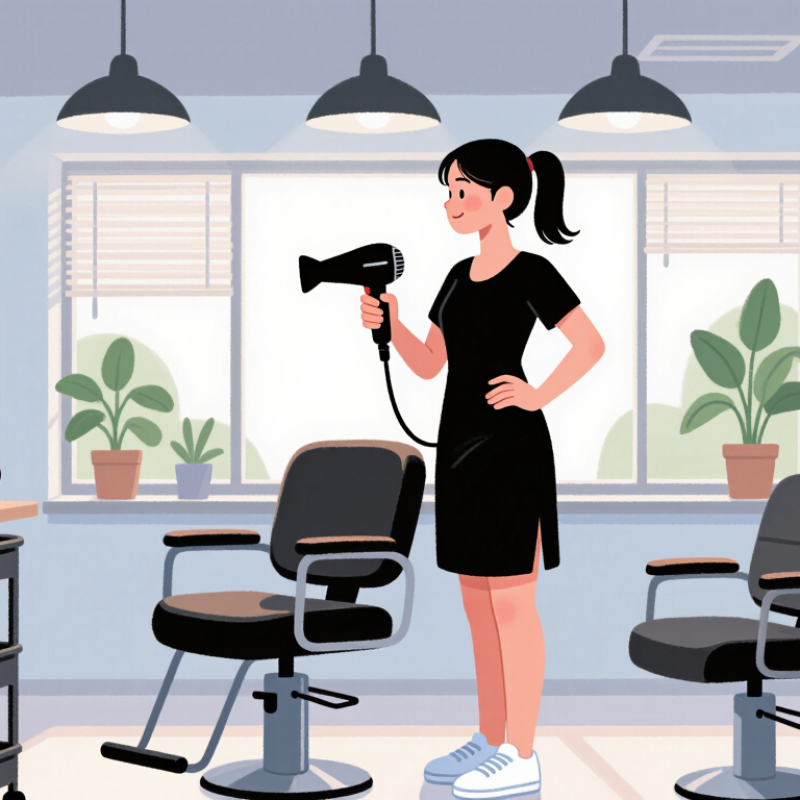
Hair styling can look light, but the back rarely gets a real break. A stylist may stand for hours, lean toward a client, and twist to reach tools behind the chair. During a blow-dry, one arm stays raised while the trunk subtly tilts. These small positions repeat across appointments. The strain often builds quietly.
The European Agency for Safety and Health at Work identifies prolonged standing, awkward postures, and repetitive movements as risks in hairdressing. The U.S. Bureau of Labor Statistics recorded 2.4 injury and illness cases per 100 full-time-equivalent workers across private industry in 2023. That figure is not salon-specific, and it does not measure back pain alone. Still, it shows why workplace strain deserves attention rather than dismissal.
A stylist might shrug off a sore lower back as part of a busy day. That can be a mistake. Notice whether discomfort grows when bending over a shampoo basin, reaching across a client, or standing with weight on one hip. Even a chair set slightly too low can keep the spine rounded through a whole cut. I used to think posture meant simply “stand straight.” That is too simple; fixed posture itself can become tiring. The body needs chances to change position.
Back pain can build when a stylist leans over a low chair or twists toward tools all day. Adjust the client’s chair so the head sits near your working height, rather than lifting your shoulders or bending your back. Keep your spine comfortably upright, shoulders relaxed, and feet supported. Small changes matter.
Place frequently used tools within easy reach on your dominant side, around waist-to-chest height. Keep it close. A trolley parked behind you may invite repeated twisting, even when it seems convenient. Move it beside you, and turn your whole body when changing sides instead of reaching across a client. Set mirrors, bowls, and product containers where you can see and reach them without leaning forward.
A stool can help during detailed work, but adjust it so your hips stay level with, or slightly above, your knees. If you stand for long stretches, shift your stance and alternate which foot rests on a low support; avoid locking your knees. Check your setup between appointments, since chair height and client needs vary. I still find that a “quick reach” can become a habit, so notice where your back starts rounding. Persistent or worsening pain deserves assessment by a qualified healthcare professional.
A long day behind the chair can leave your lower back aching, especially when you lean toward a client or stand in one position. Set the chair so the client’s head is near your working height. Keep both feet supported, knees relaxed, and shoulders loose. Move your feet closer instead of reaching across the client. Small adjustments matter.
While cutting or styling, face the section you are working on. Turn your whole body by stepping around the chair, rather than twisting your waist. Shift your weight between feet, and change stance when moving from one side of the head to the other. Keep frequently used tools within easy reach. It is easy to forget posture during a busy appointment, so check in with your body between sections. These habits may feel slower at first, but awkward reaching often costs more effort.
Tips: Reset the chair before each service. Step closer before using a brush or dryer. If your back hurts repeatedly, take breaks and consult a qualified health professional.
| # | Ergonomic habit | How to do it | Practical checkpoint | How it may help |
|---|---|---|---|---|
| 1 | Set a balanced stance | Stand with your feet about hip- to shoulder-width apart, knees relaxed, and weight distributed comfortably. Avoid locking your knees. | You can shift your weight or take a step without twisting your trunk. | A stable stance makes it easier to work without holding an awkward, fixed posture. |
| 2 | Adjust the client and chair | Raise or lower the chair and use its rotation to bring the section you are working on closer to a comfortable height and reach. | Avoid repeatedly bending over the client or reaching across the head. | Bringing the work closer can reduce prolonged bending and reaching. |
| 3 | Move your feet instead of twisting | Step around the chair to reach another side, and turn your whole body toward the section rather than rotating your back while your feet stay planted. | Your shoulders and hips generally face the area you are working on. | Whole-body repositioning helps limit repeated trunk twisting. |
| 4 | Keep tools and work within easy reach | Arrange frequently used tools nearby, and place supplies where you can reach them without leaning far or turning sharply. | Keep your elbows near your sides for routine tasks when practical. | A closer work area can reduce repeated overreaching and awkward postures. |
| 5 | Alternate standing positions | Change your stance during the service, such as switching which foot is slightly forward, and use a suitable sit–stand option when the task allows. | Avoid staying in one position for the entire appointment. | Changing posture varies the demands placed on your body. |
| 6 | Use brief movement breaks | At natural pauses between tasks or appointments, take a short walk, gently move your back and shoulders, or change position. | Use a task transition as a reminder to move rather than remaining still. | Regular movement can interrupt long periods of static standing or bending. |
| 7 | Choose supportive footwear and a comfortable floor setup | Wear stable, comfortable shoes suitable for standing. Keep the work area clear, and consider an appropriate anti-fatigue mat if it is safe and does not create a trip hazard. | Your feet feel secure, and the mat lies flat without curling or shifting. | Comfortable footing may make long periods of standing easier to tolerate. |
These are general ergonomic suggestions, not a diagnosis or treatment plan. For persistent, worsening, or concerning back pain, consult a qualified health professional.
A full day behind the chair can keep your back bent while you shampoo, cut, and sweep. Build brief movement breaks into the salon rhythm rather than waiting for pain. Between clients, stand tall, walk for a minute, and gently extend your back; during longer services, reset your stance while the client processes. Small pauses count. EU-OSHA reports that about three in five workers in Europe experience musculoskeletal disorders, a broad workplace finding that includes back problems. It is not a hairdresser-specific rate, but it shows why routine prevention matters.
Strength work can help your body handle repeated reaching and standing. Two or three times a week, try controlled glute bridges, bird-dogs, and side planks, beginning with a few repetitions and stopping if pain increases. Keep the movements steady, not competitive. The U.S. National Institute for Occupational Safety and Health recommends ergonomic improvements that reduce awkward postures and physical strain; exercise works best alongside those changes, not instead of them. Adjust the chair or client position so you are not repeatedly leaning over the basin. A reminder timer may help, though busy appointments can make it easy to ignore. If pain persists, worsens, or travels down a leg, seek advice from a qualified health professional.
A stylist’s back may complain before it becomes sharply painful. Early warning signs include stiffness when you stand after a client, a dull ache that returns during long appointments, or soreness that lasts into the next morning. Notice the pattern. Does it worsen after leaning over a shampoo basin, twisting toward your tools, or standing on one side? Small signs count. It is tempting to dismiss them as part of a busy shift, but repeatedly working through pain can make it harder to notice when symptoms are changing.
Keep a brief record of when discomfort starts, what movements aggravate it, and whether it travels into a hip or leg. Note any tingling, numbness, or weakness too. This information can help a doctor or physical therapist assess your situation; it cannot diagnose the cause. Seek professional advice if pain keeps returning, lasts more than a few days, interferes with work or sleep, or is getting worse. Get urgent medical care for new leg weakness, numbness around the groin, or loss of bladder or bowel control. It can feel awkward to ask for help when clients are waiting. Still, changing appointments around pain is not a substitute for an assessment.
Build back-friendly habits: alternate tasks and positions; set your work area at a comfortable height; keep both feet supported and shift your stance; step to turn instead of twisting; take brief movement breaks; include regular physical activity and muscle-strengthening exercise; and seek professional advice if pain persists or worsens.
The chart shows the World Health Organization’s minimum weekly aerobic activity targets for adults—not a hair-stylist-specific prescription. Moderate and vigorous activity are alternatives and can also be combined. For back pain, seek urgent medical care for new bladder or bowel problems, numbness around the groin or saddle area, or worsening leg weakness.
Long periods of standing, leaning, twisting, and reaching can build strain. The stress may grow quietly.
Bring the client’s head near your working height. This can reduce the need to bend over during a cut.
Step around the chair and face the section you are working on. Keep commonly used tools within easy reach.
Step closer, support both feet, and relax your shoulders. Change your stance instead of holding one position.
Watch for stiffness when standing, a recurring dull ache, or soreness the next morning. Small signs count.
Note when discomfort starts, which movements worsen it, and whether it travels into a hip or leg. Include any tingling, numbness, or weakness.
Ask a qualified health professional if pain keeps returning, lasts more than a few days, affects work or sleep, or gets worse. A brief record may help, but it cannot diagnose the cause.
Seek urgent care for new leg weakness, numbness around the groin, or loss of bladder or bowel control. Do not wait for a quiet day.
Hair stylists spend long hours standing, leaning, and reaching, which can place repeated strain on the back. How to prevent back pain as a hair stylist? Start by setting up the workspace to encourage a neutral posture: adjust the client’s chair to a comfortable height, keep frequently used tools within easy reach, and avoid twisting or bending unnecessarily. Choose a stable stance, shift your weight as needed, and move your feet to turn rather than rotating your torso while cutting or styling.
Build protective habits into each workday by taking brief movement breaks between appointments and adding suitable stretching and strengthening exercises to your routine. Pay attention to early signs such as persistent soreness, stiffness, or pain that affects daily activities. If symptoms continue, worsen, or feel concerning, seek advice from a qualified healthcare professional. Small, consistent adjustments can make salon work more comfortable and help support long-term back health.
