How to Properly Sanitize Spa Equipment Between Clients?

Time:2026-08-29 Author:Sophia
0%

Sanitizing spa equipment between clients is crucial for maintaining hygiene. According to a report from the International Spa Association, 70% of clients prioritize cleanliness. Ensuring that tools and surfaces are properly sanitized helps prevent the spread of bacteria and viruses. However, many spas overlook certain key areas during sanitation.

Practices may vary, but not all are effective. Studies show that improper sanitation methods can lead to contamination. For instance, using the same cloth for multiple surfaces may spread germs. Thus, it's essential to understand the best practices for how to sanitize spa equipment between clients.

Industry guidelines recommend using EPA-approved disinfectants. These products can reduce harmful pathogens significantly. However, some spas may not adhere to the recommended contact times for these disinfectants. This oversight can compromise client safety. Spa professionals must regularly educate themselves on effective sanitation methods to ensure a safe environment for customers.
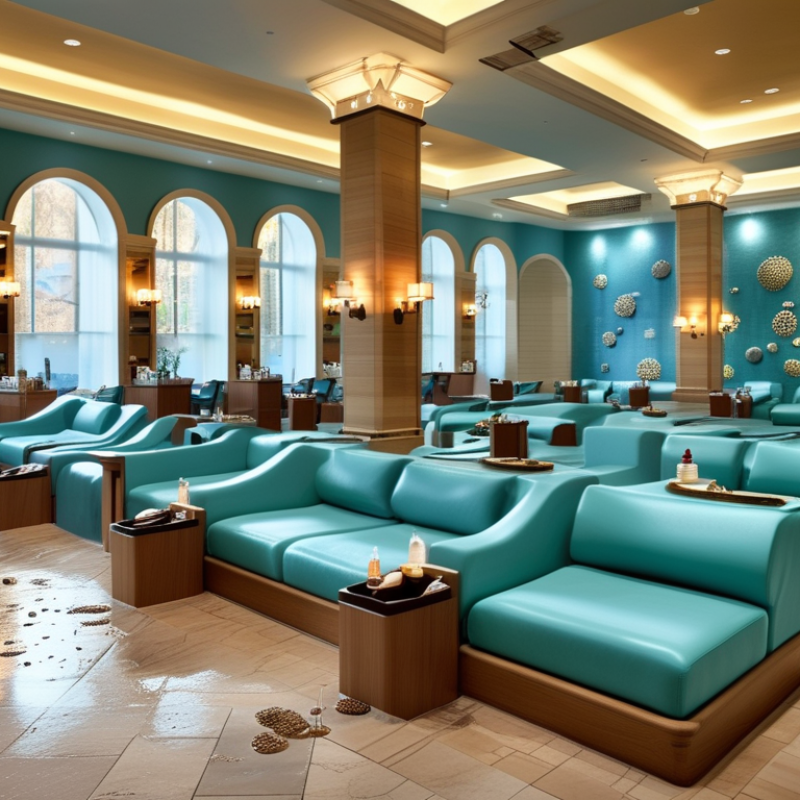
How to Properly Sanitize Spa Equipment Between Clients?

Understanding the Importance of Spa Equipment Sanitization Standards

Sanitizing spa equipment is crucial for client safety and satisfaction. Reports indicate that inadequate sanitation can lead to adverse health effects. For instance, the Centers for Disease Control and Prevention (CDC) highlights that improper cleaning can cause skin infections. This reality underscores the significance of adhering to sanitization standards.

To effectively sanitize equipment, develop a consistent protocol. Use approved disinfectants that are effective against a broad spectrum of pathogens. Ensure that you follow the manufacturer's instructions for contact time. Allowing sufficient time for disinfectants to work is often overlooked, yet it is vital for optimal results.

Maintaining a clean environment means training staff regularly. They should understand the importance of sanitation in preventing cross-contamination. Provide regular workshops to emphasize this point. It's also important to carry out routine inspections of your equipment. This proactive measure can help identify problems before they escalate.

When in doubt, consult industry guidelines for specifics. The Environmental Protection Agency (EPA) provides resources that can help professionals navigate the complexities of sanitizer usage. Reflecting on sanitation practices regularly can uncover areas needing improvement. Upgrading methods based on current best practices is essential for continued client trust and safety.

Common Contaminants Found in Spa Settings and Their Risks

Spa environments can harbor various contaminants. Bacteria, fungi, and viruses thrive in warm, damp conditions. Equipment that is not sanitized can become a breeding ground for these harmful microbes. Clients may leave behind skin flakes, hair, and oils that create ideal conditions for growth.

Common issues include dermatological infections and respiratory illnesses. Clients may unknowingly carry pathogens. Regular disinfection is essential to prevent cross-contamination. Surfaces must be cleaned with appropriate solutions immediately after use. Although many professionals follow protocols, lapses can occur. For instance, equipment can be overlooked or inadequately cleaned.

Attention to detail is vital in sanitation practices. It's crucial to routinely inspect tools for cleanliness. Learning about different contaminants helps professionals make informed decisions. Implementing robust training programs can enhance staff awareness. This reflection on practices can lead to better overall hygiene and client safety.

How to Properly Sanitize Spa Equipment Between Clients? - Common Contaminants Found in Spa Settings and Their Risks

Contaminant Common Sources Health Risks Sanitation Methods
Bacteria Skin contact, shared towels Infections, skin irritations Disinfectant wipes, UV light
Viruses Aerosols, surfaces Illnesses like flu or COVID-19 Alcohol-based sanitizers, thorough cleaning
Fungi Moist areas, shoes Athlete's foot, nail infections Antifungal sprays, dry conditions
Chemicals Products, treatments Allergies, respiratory issues Proper ventilation, ingredient checks
Dust and Debris Airborne particles, equipment Allergies, irritation Regular dusting, air purifiers

Step-by-Step Guide to Effective Spa Equipment Cleaning Protocols

Sanitizing spa equipment between clients is crucial for maintaining hygiene and safety. Cleaning protocols should be thorough and consistent. Start by gathering all necessary cleaning supplies. These include disinfectants approved for spa use, microfiber cloths, and gloves.

Begin with a visual inspection. Look for any visible debris or product residue. Remove any items not needed at the moment. Wash your hands thoroughly and wear gloves before handling equipment. Use a suitable disinfectant on all surfaces. Pay special attention to high-touch areas, like handles and buttons. Allow disinfectant to sit as directed for maximum effectiveness.


Implement regular training for staff on cleaning protocols. This ensures everyone understands the importance of hygiene. Create checklists for cleaning procedures. This helps in maintaining accountability and consistency. Reflect on your practices regularly. Are all staff members compliant? Is there room for improvement? Regular assessment encourages a culture of cleanliness and safety in your spa.

Recommended Sanitizing Agents for Safe Spa Equipment Maintenance

Ensuring the cleanliness of spa equipment is critical for client safety. The right sanitizing agents can effectively eliminate harmful bacteria and viruses. For surfaces that come into contact with clients, consider using a hospital-grade disinfectant. These products typically require a specific contact time to be effective. Following the manufacturer's guidelines is essential for safe usage.

In addition to disinfectants, gentle, non-toxic solutions can provide effective sanitation. Vinegar and hydrogen peroxide are popular natural options. They may not be as aggressive as commercial products, but they can still breakdown dirt and grime. However, users must be cautious about mixing substances, as reactions can occur.

Regular maintenance of tools and equipment is also necessary. While some tools can be immersed in sanitizers, others require surface wiping. This can lead to oversights. It's vital to develop a consistent routine to avoid potential contamination. Training staff on these protocols can enhance overall safety and instill confidence among clients. Engaging in ongoing education helps to reinforce best practices in sanitation and client care.

Recommended Sanitizing Agents for Spa Equipment Maintenance

Best Practices for Ensuring Client Safety and Comfort in Spa Environments

Sanitizing spa equipment is essential for client safety and comfort. Each piece of equipment should be cleaned after every use. Detail-oriented cleaning helps prevent cross-contamination. Using approved, non-toxic disinfectants can be a good choice. Pay attention to high-touch areas, such as handles and surfaces. Even small lapses can lead to client discomfort or health risks.

It's crucial to establish a routine for checking equipment. Monitor the effectiveness of cleaning protocols regularly. Staff training is vital in ensuring that everyone understands the importance of sanitation. Encouraging feedback from clients may uncover areas for improvement. This proactive approach can enhance trust and satisfaction. Reflection on practices can also lead to better techniques, adapting to evolving standards.

Assessing the environment is equally important. Regular inspections can highlight overlooked areas. Consider implementing checklists to ensure consistency. Emphasizing cleanliness not only protects clients but also uplifts the overall spa atmosphere. Continuous improvement should be the focus to create an inviting and safe space for all.

FAQS

: Why is sanitizing spa equipment important?

: Sanitizing equipment prevents cross-contamination and ensures client safety and comfort.

What supplies are needed for cleaning?

Gather disinfectants, microfiber cloths, gloves, and a checklist to streamline the process.

How should I inspect equipment before cleaning?

Conduct a visual inspection for debris or residue. Remove unnecessary items before cleaning.

What areas should receive special attention during cleaning?

Focus on high-touch areas like handles and buttons to ensure thorough sanitization.

How long should disinfectants sit on surfaces?

Follow the manufacturer’s instructions for disinfectant dwell time for maximum effectiveness.

How can staff training improve cleaning protocols?

Regular training ensures staff understand hygiene importance and consistency in cleaning methods.

How can I assess the effectiveness of cleaning practices?

Regularly monitor compliance and ask for client feedback to identify areas needing improvement.

Why should checklists be implemented?

Checklists help maintain accountability and consistency in cleaning procedures among staff.

What should I do if lapses in cleaning are found?

Reflect on practices and provide additional training or resources to improve sanitation efforts.

How can I create a better environment for clients?

Regular inspections and a focus on continuous improvement enhance safety and the overall spa atmosphere.

Conclusion

Proper sanitization of spa equipment is crucial to ensure client safety and comfort. Understanding the importance of sanitization standards helps spa professionals minimize the risks posed by common contaminants found in spa settings, such as bacteria and viruses. A step-by-step guide highlights effective cleaning protocols, which includes thorough cleaning and disinfection of all equipment after each use.

To answer the question, "How to sanitize spa equipment between clients?" spa professionals must use recommended sanitizing agents that are both effective and safe for the equipment and clients. Implementing best practices in sanitization not only protects clients but also enhances the overall experience in spa environments, fostering trust and satisfaction. Regular training and adherence to established protocols are essential for maintaining a clean and inviting spa space.

Sophia

Sophia

Sophia is a dedicated marketing professional with an exceptional depth of knowledge about her company's products and services. With a keen understanding of market trends and customer needs, she crafts insightful blog posts that not only inform but also engage readers, enriching the company’s online......