How to Remove Hair Dye Stains from Salon Chairs?

Time:2026-10-22 Author:Mason
0%

Hair dye stains on salon chairs are more than an appearance problem. They can weaken vinyl, discolor seams, and create an unprofessional first impression.

The Professional Beauty Association’s salon industry reports emphasize cleanliness, client confidence, and efficient workplace operations. The U.S. Bureau of Labor Statistics also identifies personal appearance services as a large, hands-on employment sector. In busy salons, small cleaning mistakes can repeat hundreds of times each month. A dark tint mark may begin as one splash near the armrest. Later, heat, friction, and cleaning residue can make it harder to remove.

So, how to remove hair dye stains from salon chairs? The safest answer depends on the chair’s material, finish, and stain age. Vinyl, faux leather, genuine leather, and coated upholstery require different methods. The Occupational Safety and Health Administration recommends following product labels and using suitable protective measures when handling cleaning chemicals. That guidance matters here. Strong solvents may remove pigment, but they can also strip the chair’s protective coating.

Start with a manufacturer-approved cleaner, a soft white cloth, and a hidden patch test. Avoid abrasive pads. Avoid aggressive scrubbing. Professional salon experience shows that quick action usually works better than force. Still, no method is perfect. Some pigment can permanently penetrate worn upholstery, especially around stitching and cracks. This guide explains practical steps, safer product choices, and prevention habits that help protect expensive salon furniture without damaging its surface.
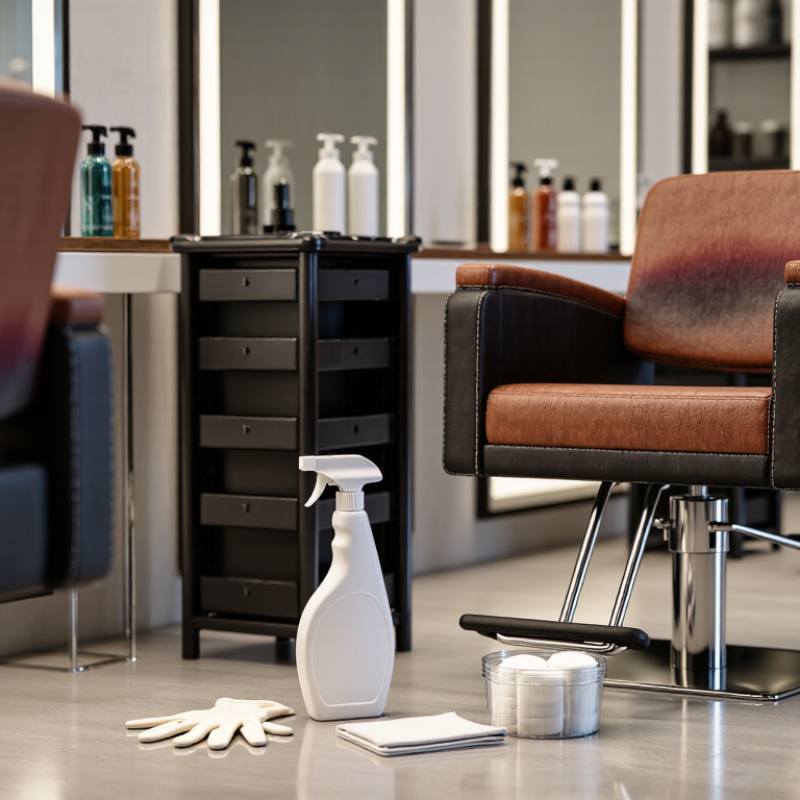
How to Remove Hair Dye Stains from Salon Chairs?

Identify the Chair Material and Hair Dye Stain Type

How to Remove Hair Dye Stains from Salon Chairs?

Identify the Chair Material and Hair Dye Stain Type

A salon chair may use vinyl, polyurethane, coated leather, or woven fabric. The surface decides the cleaning method.

In May 2023, the U.S. Bureau of Labor Statistics recorded about 622,700 hairstylist, barber, and cosmetology jobs. That scale makes chair maintenance a daily operational issue, not a minor detail.

Start with the stain type. Fresh semi-permanent dye often sits near the surface. Oxidative dye may penetrate cracks, seams, or porous upholstery. Inspect the chair under bright light. Check for glossy coating, peeling edges, grain patterns, and exposed stitching.

My first instinct was to scrub harder. That usually made the mark wider.

For vinyl or polyurethane, blot fresh dye with a damp microfiber cloth. Then use a mild, pH-neutral cleaner approved for synthetic upholstery. The 2022 U.S. EPA Safer Choice Standard emphasizes safer ingredients and clear product performance requirements, but it does not make every cleaner suitable for every chair.

Test an unseen area first. Wait several minutes.

Leather needs restraint. Excess water can darken it temporarily, while strong solvents may remove protective coatings. Fabric requires a different response. Blot from the outside inward, and avoid heat before the stain is identified.

The Occupational Safety and Health Administration recommends following chemical labels and maintaining accessible safety information.

Dye removal is not always successful. Sometimes, replacing a damaged cushion is more reliable than repeated aggressive cleaning.

Prepare Cleaning Supplies and Test a Hidden Area

Hair dye stains on salon chairs need controlled cleaning, not aggressive scrubbing. I keep nitrile gloves, white microfiber cloths, cotton swabs, mild dish detergent, distilled water, and a soft toothbrush nearby. A small plastic scraper can lift dried drops from smooth vinyl. Avoid colored towels, which may transfer dye or hide the stain.

Mix a few drops of detergent with warm distilled water. Dampen a cloth, then press it against the stain for thirty seconds. Work from the outside toward the center. This prevents the mark from spreading across the chair. Use a cotton swab around seams and stitching. Do not soak the cushion, because trapped moisture can damage foam and create an unpleasant odor.

Test the solution on a hidden area before treating the visible stain. Check beneath the seat or behind the chair frame. Apply a little mixture and wait five minutes. Look for fading, stickiness, cracking, or color transfer. I once skipped this step and dulled a supposedly durable surface. That mistake changed my routine. If the test looks safe, clean a small section and let it dry completely. Some old stains remain faint, even after careful work. More pressure is not always better.

Remove Fresh Hair Dye Without Spreading the Stain

Fresh hair dye should be treated before it dries. Dried pigment grips vinyl and coated fabric more firmly. Put on gloves, then lift excess dye with a dry, white cloth. Do not rub. Rubbing pushes color outward and creates a larger ring.

Dampen another cloth with cool water and a small amount of neutral detergent. Press from the outside edge toward the center. Turn the cloth after each pass. This prevents pigment transfer back onto the chair. For textured upholstery, use a soft toothbrush lightly, following the material’s grain. Keep moisture controlled. Saturating foam can leave odors, water marks, or hidden damage.

The U.S. Environmental Protection Agency’s Safer Choice Standard evaluates cleaning ingredients against more than 40 human-health and environmental criteria. Choose a professional cleaner with transparent ingredient information, but check its surface compatibility first. Test beneath the seat or behind the backrest. A small test area can prevent an expensive mistake.

If the mark remains, pause for five minutes and reassess. Repeated scrubbing may damage the finish faster than the dye itself. The Centers for Disease Control and Prevention advises cleaning surfaces before disinfecting them, when disinfection is required. For salon chairs, stain removal and disinfection are separate steps. Follow the chair manufacturer’s care instructions, and never mix cleaning chemicals. My practical lesson is simple: slower blotting usually beats aggressive cleaning.

How to Remove Hair Dye Stains from Salon Chairs

Fresh hair dye should be blotted rather than rubbed to prevent the stain from spreading. The chart shows a practical removal sequence, with the recommended maximum delay for each step before moving to the next treatment.

Treat Dried or Stubborn Dye Marks Safely

Dried hair dye needs patience, not aggressive scrubbing.
Start by identifying the chair’s surface, such as vinyl, polyurethane, leather, or fabric. Check its care instructions first.
The Health and Safety Executive reports roughly 10,000 new work-related dermatitis cases annually in Great Britain. Salon cleaning should therefore protect workers’ skin, too.
Wear nitrile gloves and ventilate the area. Place a warm, damp microfiber cloth over the stain for five minutes. This softens the residue without flooding the padding.

Apply a small amount of pH-neutral soap diluted in water. Blot from the outside inward. Do not scrub.
For hardened spots, lift gently with a plastic card, never a metal blade. Test every cleaner beneath the seat or along a hidden seam. Avoid acetone, chlorine bleach, and strong solvents because they can dull coatings, weaken stitching, or spread the pigment. OSHA salon-safety guidance recognizes hair dyes as chemical exposures requiring careful handling.
On fabric, use an upholstery-safe cleaner and blot repeatedly with clean water. On leather, stop if the finish becomes sticky or cloudy.
I have learned that speed is not always safer; one rushed wipe can create a larger pale patch. If the mark remains after two gentle attempts, document the surface and ask a professional upholstery cleaner.

Disinfect, Rinse, and Condition the Chair Surface

Hair dye stains on salon chairs need quick, controlled cleaning. Fresh color is easier to remove than dried pigment. Put on disposable gloves before touching the affected area. Remove loose dye with a dry, soft cloth. Do not scrub immediately. Scrubbing can spread pigment into seams and textured surfaces. Mix warm water with a small amount of mild soap. Test the solution on a hidden section first. This small step protects vinyl, coated leather, and synthetic upholstery. Wipe from the outside toward the stain. Use separate clean sections of cloth as color transfers. Keep moisture away from zippers and chair controls. A damp cloth is safer than a dripping one. Patience often prevents a larger repair.

After the visible dye lifts, disinfect the surface with a cleaner approved for the chair material. Follow its contact time exactly. Wiping too soon may reduce disinfection. Never combine cleaning chemicals. Rinse the area with a clean, lightly damp cloth. This removes soap and chemical residue. Then dry the chair with a lint-free towel. Condition compatible leather surfaces with a suitable, non-greasy conditioner. Skip conditioner on materials identified as non-absorbent. It may leave a slippery film. Check the surface under bright light. Stains can hide beside stitching. If a shadow remains, repeat gently rather than using stronger chemicals. I sometimes rush this final inspection, and that is a mistake. Record the material and cleaning method for future staff reference.

How to Remove Hair Dye Stains from Salon Chairs? - Disinfect, Rinse, and Condition the Chair Surface

Step Purpose Recommended Action Typical Working Time Surface Compatibility Important Precaution
1. Remove excess dye Prevents the stain from spreading or drying. Wear gloves and gently lift wet dye with disposable towels. Blot from the outside toward the center. Immediately, preferably within a few minutes. Suitable for coated vinyl and sealed synthetic upholstery. Do not scrub, as friction can push pigment deeper into textured material.
2. Clean the surface Loosens remaining dye and salon-product residue. Use a soft cloth lightly dampened with warm water and a small amount of mild, pH-neutral soap. Wipe gently. 30–60 seconds per section. Generally appropriate for finished vinyl and polyurethane-coated surfaces. Avoid abrasive pads, strong solvents, and concentrated detergents.
3. Treat residual staining Targets pigment that remains after initial cleaning. Apply a manufacturer-approved upholstery cleaner to a cloth, not directly onto the chair, and blot the affected area. Follow the product label; do not allow cleaner to dry on the surface. Use only after checking the chair’s care code and testing an inconspicuous area. Do not mix cleaning chemicals, especially products containing bleach, ammonia, or acids.
4. Rinse away residue Removes soap and cleaner residue that may dull or weaken the finish. Wipe with a separate cloth dampened with clean water. Use minimal moisture around seams and stitching. Until no visible foam or cleaner residue remains. Best for non-porous, sealed upholstery surfaces. Do not saturate cushions; trapped moisture can contribute to odor, mildew, or material damage.
5. Disinfect the chair Reduces microorganisms after visible soil has been removed. Apply a disinfectant labeled for the chair material and salon or healthcare surfaces. Keep the surface visibly wet for the label-specified contact time. Use the exact contact time stated on the disinfectant label. Compatibility varies; some disinfectants can discolor vinyl or damage protective coatings. Never disinfect over visible soil, and never combine disinfectants with other chemicals.
6. Wipe and dry Prevents chemical residue and prolonged moisture exposure. Follow the disinfectant label for rinsing. Wipe with a clean towel and allow the surface to air-dry completely. Until the chair is fully dry before use. Appropriate for sealed surfaces when the product instructions permit it. Avoid direct heat, hair dryers, and prolonged sunlight, which may affect the finish.
7. Condition the surface Helps maintain flexibility and appearance after cleaning. Use a conditioner specifically approved for the chair’s upholstery material. Apply a thin, even layer and remove excess. As directed on the conditioner label; often part of routine maintenance rather than every cleanup. Usually intended for vinyl or synthetic leather; not automatically suitable for genuine leather, fabric, or suede. Do not condition a wet surface or use oily products that can leave the chair slippery.
8. Inspect before reuse Confirms that the chair is clean, dry, and safe for the next client. Check seams, hinges, armrests, and underside edges for remaining dye, moisture, or product buildup. Before the chair is returned to service. All upholstery types require care according to their material and manufacturer instructions. If staining remains after approved methods, consult a professional upholstery cleaner instead of escalating to harsher chemicals.

General care note: Always check the chair manufacturer’s care instructions and test any cleaner or disinfectant on a hidden area first. Hair dye can permanently discolor porous or damaged upholstery.

FAQS

What should I do when fresh hair dye spills on a chair?

Put on gloves and lift excess dye with a dry, white cloth. Do not rub. Rubbing spreads pigment outward.

How should I clean a fresh dye mark?

Use cool water and a small amount of neutral detergent. Press from the edge toward the center. Turn the cloth often.

Can I use a toothbrush on textured upholstery?

Yes, use a soft toothbrush lightly. Follow the material’s grain. Too much pressure may roughen the surface.

How do I treat dried hair dye safely?

Place a warm, damp microfiber cloth over the mark for five minutes. Then blot with diluted, pH-neutral soap.

What tools are safe for hardened dye?

Lift softened residue with a plastic card. Never use a metal blade. It can cut coatings or stitching.

Which cleaners should I avoid?

Avoid acetone, chlorine bleach, and strong solvents. They may dull finishes, weaken seams, or spread pigment.

How can I protect workers while cleaning dye stains?

Wear nitrile gloves and ventilate the area. Keep moisture controlled. Saturated padding can develop odors or hidden damage.

Should I disinfect the chair after removing the stain?

Yes, but treat stain removal and disinfection as separate steps. Use a compatible disinfectant and follow its contact time exactly.

How should I finish the cleaning process?

Rinse with a lightly damp cloth, then dry with a lint-free towel. Check stitching and seams under bright light.

What should I do if the stain remains?

Pause for five minutes and reassess. Repeat gentle blotting once. If the finish changes, stop and seek upholstery help. Aggressive cleaning is not always better.

Conclusion

How to remove hair dye stains from salon chairs? Start by identifying the chair’s material, such as vinyl, leather, fabric, or plastic, and determine whether the dye is fresh, dried, or deeply set. Gather mild cleaning supplies, soft cloths, and appropriate protective items, then test the chosen solution on a hidden area to check for discoloration or damage. For fresh dye, gently blot the stain instead of rubbing, working from the outside toward the center to prevent spreading.

Dried or stubborn marks may require repeated treatment with a suitable cleaner and gentle motion rather than harsh scrubbing. Avoid strong chemicals that can weaken, fade, or crack the chair surface. After the stain is removed, disinfect the area according to the material’s care needs, wipe away any residue with a clean damp cloth, and dry it thoroughly. Conditioning suitable surfaces afterward can help preserve their flexibility, appearance, and resistance to future staining.

Mason

Mason

Mason is a seasoned marketing professional with a deep expertise in the company's offerings and a passion for driving brand awareness. With a strong background in digital marketing strategies, he has an innate ability to connect with diverse audiences and effectively communicate product benefits.......