In the competitive world of hair salons, understanding space requirements is crucial. One common question arises: How much space is needed between hair salon styling stations? Veteran salon designer, Emily Roberts, states, "The right spacing can enhance both the stylist's efficiency and the client's comfort."
Proper spacing creates an inviting atmosphere where clients can relax. The American Institute of Architects suggests at least 4 to 5 feet between stations for comfort and accessibility. This allows stylists to work effectively without feeling cramped. However, many salons overlook this key detail, leading to a stressful setting.
On the other hand, too much space can make a salon feel empty. Striking a balance is essential. When designing a salon, consider the overall flow and experience. Small adjustments in station layout can significantly impact the vibe and productivity of the space. Reflect on your salon's layout to optimize the experience for both your stylists and clients.
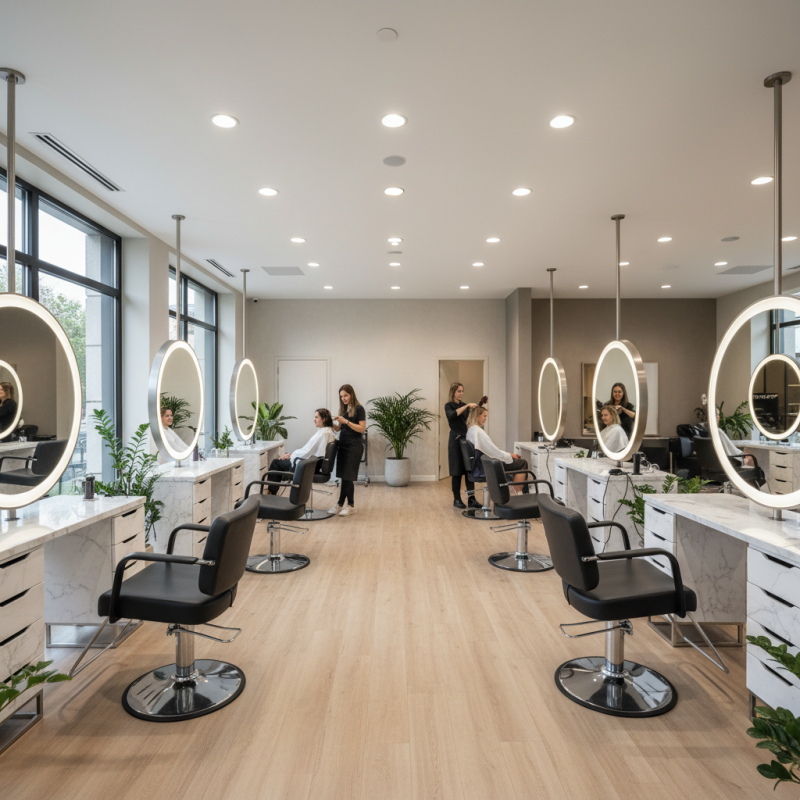
When designing a hair salon, space between stations is crucial. This distance affects client comfort and stylist efficiency. Typically, salons should allow at least 4 to 6 feet between stations. However, this can vary based on several factors.
The size of your salon plays a significant role. In smaller spaces, you might feel pressed to minimize distances, impacting the overall experience. On the other hand, a larger salon can afford to create more personal space. Consider the type of services offered, too. Stylists performing treatments like coloring need additional space for tools and products. Accessibility for movement is another factor; you want stylists to reach clients easily without disrupting others.
Client privacy is essential. Some clients prefer a more secluded experience, especially for services that require concentration. A balance must be struck between maximizing space and ensuring a comfortable atmosphere. Reflect on your layout regularly. Adjusting the arrangement may be necessary as client expectations and service styles evolve.
When planning hair salon stations, the comfort and safety of clients should be the top priority. A report by the Professional Beauty Association suggests a minimum distance of 5 to 6 feet between each station. This distance allows stylists to move freely without encroaching on neighboring spaces. A well-planned layout reduces tension during busy hours and creates an inviting atmosphere.
Proper spacing is not just about convenience. It significantly affects client comfort. According to research, clients feel more at ease when they have enough personal space. A salon with adequate room promotes relaxation. It can enhance the overall experience, making clients more likely to return. However, many salons underestimate this factor.
Considering the design of salon stations is crucial. Some salons have reported complaints about crowded conditions impacting the quality of service. Ensuring sufficient space improves interactions and minimizes distractions. Every salon should evaluate its layout regularly. An optimal setup can lead to happier clients and a more efficient workflow for stylists.
When planning a hair salon, local regulations and building codes play a crucial role. These rules govern the space required between salon stations. Standard guidelines suggest a minimum of three feet between styling chairs to ensure client comfort and safety. This distance allows stylists to work without hindrance and facilitates movement around the salon.
However, not all areas follow the same regulations. Some municipalities may impose stricter spacing requirements due to health and safety considerations. For example, a report by the National Association of Barber Boards of America indicates that certain states mandate at least four feet between stations. This variability highlights the importance of consulting local codes before finalizing your layout.
Additionally, the design can impact client experience and staff efficiency. Many salon owners overlook this when planning. While optimizing space can increase capacity, neglecting regulatory compliance can lead to costly fines. A thoughtful balance is necessary. The goal should be to create a welcoming environment while adhering to local laws. Taking the time to understand these regulations can ultimately enhance your salon's reputation and operational success.
When designing a hair salon, space between stations is crucial. A comfortable distance allows stylists to work without feeling confined. Ideally, two to four feet is recommended between each station. This space promotes smooth working flow and reduces distractions. A more open layout encourages interaction among customers and stylists. However, too much space can create a feeling of isolation.
Privacy is another essential component. Customers often desire a sense of seclusion during their appointment. Installing partitions can offer an effective solution. Yet, if not placed correctly, these barriers may hinder movement and communication. Consider using soft dividers that block sight without feeling intrusive. Additionally, ensure that waiting areas remain accessible and welcoming. Balance is key.
Designing a salon isn't just about aesthetics; it’s also about functionality. Frequent feedback from stylists can help refine the layout. They can offer insights on workflow and customer comfort. Observations on how space affects interactions can inform future decisions. Continuously evaluate the balance between openness and privacy to create an ideal salon environment.
This chart illustrates the average space requirements for hair salon stations based on the size of the salon: small, medium, and large. As illustrated, larger salons typically require more space to ensure optimal flow and privacy for clients and staff.
In a hair salon, spatial planning is crucial. The distance between salon stations affects comfort and workflow. Stylists need room to move without bumping into each other. An ideal distance can vary. For intensive services like coloring, more space is essential. This allows for better ventilation and client privacy.
Salons of different sizes require different layouts. A small salon might operate efficiently with stations just three feet apart. However, a larger salon could benefit from spacing of five feet or more. This not only helps with managing the area but also enhances the overall client experience. Choosing the right distance can improve service speed and stylist performance.
When arranging stations, consider the specific services offered. Each service type has different space needs. For instance, a station for haircutting might need less space compared to one for chemical treatments. Ensuring everyone feels comfortable is key. Regular adjustments to spacing may be necessary based on client feedback and stylist needs. Over time, refining the layout can lead to a more effective salon environment.
: A minimum distance of 5 to 6 feet is suggested for comfort and safety.
Proper spacing affects client comfort and can enhance relaxation during services.
An optimal layout reduces distractions and improves client interactions, making visits more enjoyable.
Spacing, privacy, and workflow are key to a functional and inviting salon environment.
More space is needed for services like coloring, while haircuts may require less distance.
Clients often prefer some seclusion during their appointments for a more comfortable experience.
Using soft dividers and ensuring open yet welcoming areas can create a good balance.
Regularly evaluate the spacing based on stylist feedback and client comfort to refine the setup.
Yes, small salons may operate with stations three feet apart, while larger ones benefit from five feet or more.
Proper adjustments can enhance service speed and improve stylist performance, leading to happier clients.
When considering "How much space is needed between hair salon styling stations?" various factors come into play that can significantly influence the layout of a salon. Client comfort and safety are paramount, with a recommended minimum distance typically ranging from 3 to 5 feet between stations to ensure privacy and prevent cross-contamination. Additionally, local regulations and building codes may dictate specific spacing requirements that must be adhered to when designing a salon.
Design considerations are also essential for creating an optimal flow within the salon, enhancing both the client experience and stylist efficiency. Different types of services may require adjustments in station spacing, while the overall size of the salon plays a crucial role in space planning. By carefully weighing these aspects, salon owners can establish an environment that is not only appealing but also functional and compliant with necessary guidelines.
