Creating a functional and welcoming environment is crucial in any hair salon. One often-asked question is, "How much space is needed between hair salon styling stations?" Proper spacing impacts both the client's comfort and the stylist's efficiency. A well-planned layout enhances the overall experience, making it vital to get it right.
The ideal spacing offers privacy and mobility. Clients should feel relaxed while stylists need room to work. Crowded spaces can lead to discomfort and frustration. It's important to consider foot traffic and equipment placement. Too little space can result in accidents or hinder service. You want to create an atmosphere where both client and stylist can thrive.
On the other hand, allowing too much space can lead to a feeling of emptiness or disconnect. Striking a balance is key. Evaluating your salon's layout and understanding the dynamics of movement can provide insight. Consider the size of your stations and the flow of your salon. Thoughtful planning goes a long way in establishing a successful salon environment.
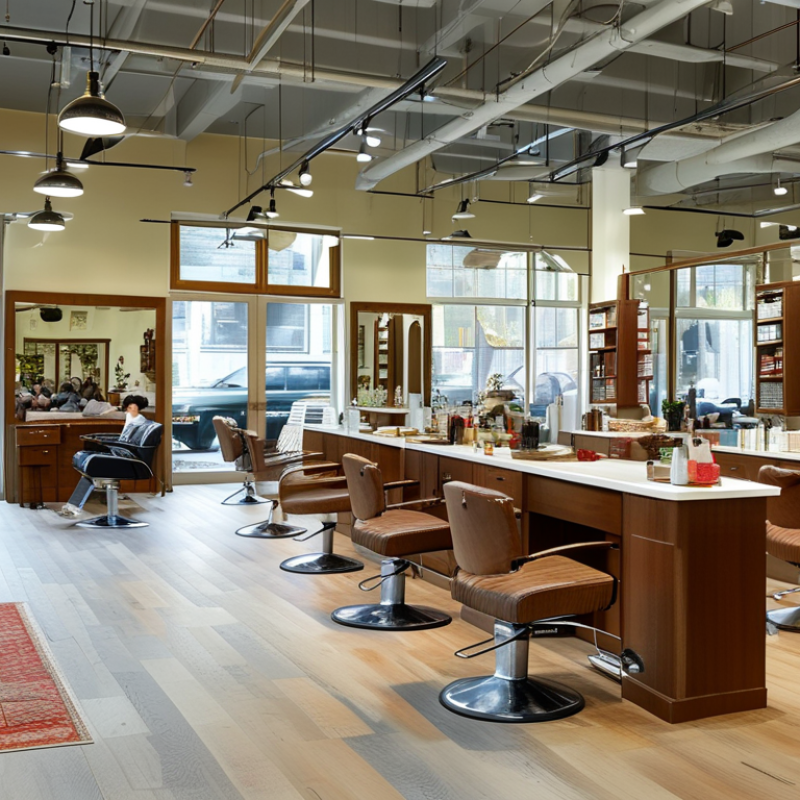
Spacing in a hair salon is more than just aesthetics. It influences client comfort and stylist efficiency. Properly designed stations allow stylists to move freely without feeling cramped. With a distance of at least five feet between each station, clients enjoy a sense of privacy. This separation also minimizes noise, creating a relaxing atmosphere.
However, achieving the ideal spacing can be tricky. Some salons might underestimate the importance of a layout that encourages both functionality and comfort. Crowded spaces can lead to accidents and miscommunication between stylists. A lack of space can also create a stressful environment, detracting from the client's experience. Reflecting on this can help salon owners rethink their design choices. Balancing style with practicality is essential for creating a welcoming salon atmosphere.
When designing a salon's styling stations, space is an essential factor. According to the Professional Beauty Association, adequate spacing enhances client comfort and stylist efficiency. A common recommendation suggests a minimum of 4 feet between each station. This distance allows for easy movement and interaction.
Dimensions should also consider furniture layout. Many salons find that 10-foot wide aisles improve traffic flow. Wide spaces allow stylists to maneuver around clients without feeling cramped. Poor spacing might lead to uncomfortable experiences, affecting client satisfaction and retention.
Consider privacy as well. Some customers prefer a more intimate setting while receiving services. This perception of personal space can influence their overall experience. Research indicates that 70% of clients appreciate private stations. Striking a balance between spacing and intimacy can create a welcoming atmosphere, making it essential to adjust your salon’s layout based on client preferences.
Creating a comfortable hair salon environment is essential. One way to maximize privacy and comfort is through thoughtful spacing between stations. The right distance can create a sense of tranquility for clients.
Consider arranging stations at least four feet apart. This allows space for hairstylists to move freely, while also reducing noise levels. Clients often appreciate not feeling like they are on display. Proper spacing also minimizes distractions during the styling process.
Using partitions can enhance the personal space further. Frosted glass or fabric dividers not only look appealing, but they provide visual barriers. Incorporating greenery can add a calming effect. Plants soften the environment and create a serene atmosphere, making clients feel more at ease. Remember, a few thoughtful touches can transform the overall experience.
Evaluate your setup regularly. Are clients comfortable? Pay attention to feedback. Reflect on changing needs to ensure your salon remains welcoming and private. Balancing aesthetics and functionality is key to creating the perfect styling space.
Effective traffic flow management in hair salons involves strategic spacing between styling stations. According to the "Salon Spatial Analysis Report 2022," 65% of clients prioritize comfort during their visits. A well-thought-out layout can enhance both customer experience and salon efficiency. When stations are too close together, it can lead to overcrowding and increased tension among clients. This creates a less inviting atmosphere.
A typical styling station should allow for a minimum of 4 feet of space in all directions. This ensures that stylists can move freely without interrupting neighboring services. Survey data from "Salon Operations Trends 2023" reveals that salons optimizing space report a 30% increase in client retention. However, many salons still struggle with inadequate planning, resulting in congestion during peak hours.
Consideration must also be given to equipment placement. Keeping tools within reach minimizes stylist movement and improves service speed. An unorganized setup can disrupt flow, causing delays. Research indicates that 45% of clients notice when stylists frequently retrieve tools, leading to dissatisfaction. Balancing efficiency with comfort is crucial for a successful salon layout.
Salon spacing is crucial for complying with regulatory standards and ensuring client safety. The Occupational Safety and Health Administration (OSHA) emphasizes that salons must maintain adequate spacing between styling stations. This helps prevent the spread of germs and ensures a comfortable environment for both clients and stylists. A report from the National Hairstylist Association suggests that at least 6 feet of space is recommended between stations to promote safety and privacy.
In practice, many salons face challenges in adhering to these guidelines. Some may feel pressure to maximize their available space, leading to tight configurations. A study indicated that approximately 40% of salons are not compliant with spacing regulations. This can lead to increased risks of cross-contamination, especially during high-traffic hours. Additionally, salons might overlook the importance of properly spacing their equipment, which can compromise the overall atmosphere.
Proper ventilation also plays a role in salon spacing. Poorly placed stations can hinder air circulation, impacting the health of both employees and clients. Industry guidelines often recommend that salons use barriers, such as acrylic dividers, to create personal space while allowing for sufficient airflow. These measures not only align with safety standards but also enhance the overall experience in the salon.
: Spacing affects client comfort and stylist efficiency. Proper layout allows movement and privacy.
At least six feet is recommended for safety and comfort. This helps reduce noise and enhances relaxation.
Crowded areas can lead to accidents and miscommunication. This can negatively impact the client's experience.
Many salons struggle with compliance. Around 40% do not meet spacing standards, risking client safety.
Adequate spacing prevents germ spread. Tight configurations can increase cross-contamination risks.
Good ventilation is crucial. Poor placement can hinder air circulation, affecting both health and comfort.
Many salons underestimate the need for practical layouts. A focus on aesthetics over functionality is frequent.
Barriers create personal space while maintaining airflow. They enhance safety and the overall client experience.
Owners should rethink their designs. Balancing style with practicality is essential for a welcoming atmosphere.
Limited space can stress stylists, affecting their efficiency. It's important to reflect on layout decisions.
When designing a hair salon, understanding the importance of spacing between styling stations is crucial for creating a comfortable and efficient environment. A well-thought-out layout not only enhances the overall client experience but also ensures compliance with health regulations. Key considerations for salon styling station dimensions include maintaining adequate space for both clients and stylists, which typically raises the question, "How much space is needed between hair salon styling stations?"
To maximize privacy and comfort, incorporating strategies such as using dividers and optimizing station arrangements can significantly improve client satisfaction. Additionally, effective traffic flow management is essential to prevent congestion and ensure safety. Adhering to regulatory guidelines and safety standards when planning your salon's layout is vital to promote a positive atmosphere while prioritizing the well-being of both clients and staff.
