A salon does not need a full renovation to feel fresh. Small changes can shift what clients notice: a clean mirror, warmer lighting, neatly arranged retail shelves, or a comfortable waiting chair. The question is not simply how to spend less. It is how to make each change improve the client experience and support the salon’s identity. That is the heart of “How to upgrade a salon’s look on a budget?”
Vidal Sassoon, the influential hairstylist, was associated with the line, “If you don’t look good, we don’t look good.” The phrase points to a useful idea: a salon’s appearance is part of its service. But polish does not require expensive furniture or trendy finishes. Repainting one tired wall, replacing mismatched bulbs, and hiding visible cords may make more difference than buying decorative pieces. Start with what clients see and touch. Then compare costs, durability, and cleaning needs before making a purchase.
Keep the plan practical. A low-cost update can still miss the mark if it makes the space harder to work in or less welcoming to clients. Test paint colors in the salon’s actual light. Ask staff which areas feel cluttered during busy hours. Small details matter. So does restraint. Not every idea works, and a budget-friendly refresh may reveal other improvements the salon cannot tackle yet. This guide explores realistic ways to upgrade the space while protecting comfort, function, and the character clients already value.
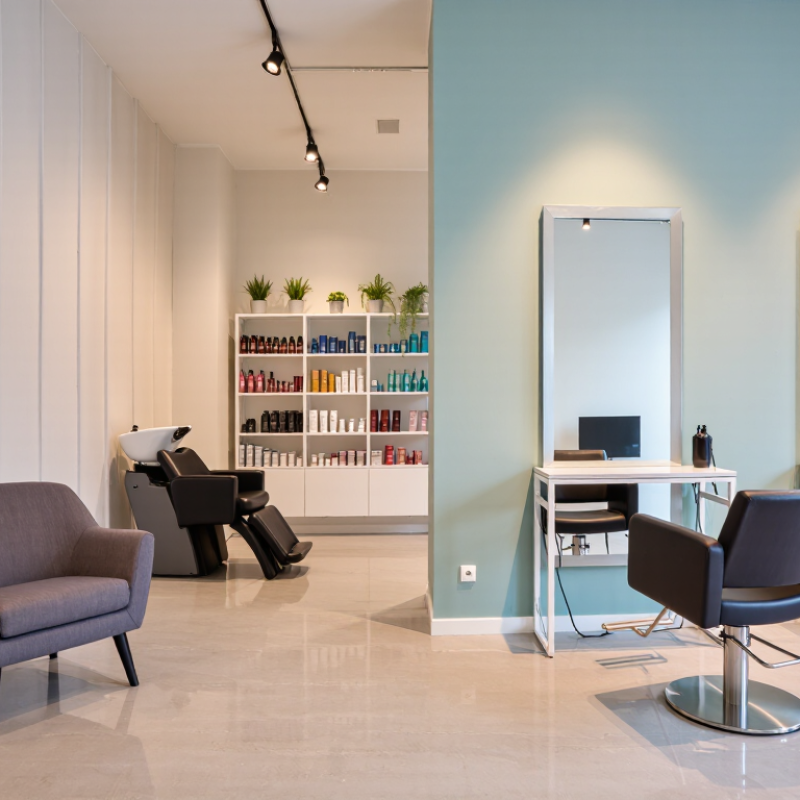
A salon refresh matters because the space shapes a client’s first impression before the consultation begins. Scuffed paint, dim mirrors, or crowded workstations can make even careful service feel less inviting. A clean, well-lit station helps clients see color and detail clearly, while an uncluttered layout makes appointments feel calmer. Small changes matter.
A refresh does not require replacing every chair or fixture. Repainting one wall, improving task lighting, or repairing a loose drawer can make the room feel more considered. Fresh towels, neatly arranged tools, and a clear reception counter also signal care. These details are practical, not just decorative: stylists can find supplies more easily, and clients have fewer distractions while discussing what they want.
It helps to notice what actually frustrates people during a normal workday. Maybe a waiting chair blocks the walkway, or afternoon sunlight makes the mirror hard to use. I might be tempted to choose a new color scheme first, but that can miss the real problem. Start with the worn or awkward parts, set a modest spending limit, and update them gradually. A refresh should support the service, not hide issues that need better maintenance. That is enough.
Why Upgrade Your Salon Look on a Budget?
Assessing Your Salon’s Most Important Upgrade Needs
Before choosing new décor, identify what slows down daily work. Check chairs for unstable bases, wash stations for leaks, and storage for tools that staff reach for repeatedly. Note repair costs, client wait times, and awkward movement between stations for one week. A worn chair matters more than a fresh paint color if it disrupts appointments. It is easy to overvalue what clients notice first.
Use evidence to guide spending. The U.S. Department of Energy reports that LED bulbs use at least 75% less energy than incandescent bulbs, making lighting a practical area to assess. The U.S. EPA says WaterSense-labeled bathroom faucets use at least 30% less water than standard models. These figures do not guarantee the same savings in every salon; usage, fixtures, and utility rates vary. Still, they help frame a simple comparison: upfront cost versus likely operating savings.
Tips: Rank upgrades by safety, repair frequency, client comfort, then appearance. Get written quotes, measure the space, and replace one high-impact item at a time. Keep a small contingency; renovation estimates can miss the inconvenient details.
A salon refresh can feel urgent when the waiting area looks tired or the workstations feel crowded. Before shopping, set a firm spending limit based on cash you can use without delaying essential bills. Include delivery, installation, disposal, and small finishing costs; they are easy to overlook. Keep a modest reserve for surprises. They happen.
Walk through the salon during a busy hour and note where staff lose time. A dim corner, tangled cords, or a narrow path between chairs may matter more than decorative details. Prioritize changes that improve comfort, safety, or daily workflow. A wobbly chair needs attention before a new wall feature. Not glamorous, but practical. Ask staff which small frustrations they encounter most often, then compare their answers with what you observed.
For lower-cost updates, consider fresh paint, clearer storage, or warmer, more even lighting. Check how lighting looks on different hair colors and skin tones before committing to new fixtures. Get several written estimates, and ask what each price includes. If the full project exceeds your limit, divide it into phases and track spending as work progresses. I might still be tempted to spend more on the visible details. That is worth questioning. A polished corner cannot fix a workspace that slows everyone down.
A salon can feel noticeably fresher without replacing its furniture. Focus on what clients see first: the reception desk, mirror wall, and styling stations. A clean coat of paint in a calm, light-reflecting shade can brighten the room and make older furnishings feel more intentional. Test paint samples beside your mirrors and under the salon’s actual lighting. Colors often look different in daylight.
Lighting can make a major difference to both the room and the work. Replace dim or mismatched bulbs with consistent, flattering lighting, and check that color appears natural around the mirrors. If electrical changes are needed, use a qualified professional. Add visual warmth with washable cushion covers, a simple plant, or coordinated storage baskets. Keep surfaces easy to clean and avoid crowding narrow walkways.
Start small. Update one area, then notice how clients and staff respond before buying more. A common planning mistake is choosing attractive pieces without checking their size, cleaning needs, or durability. Measure first, and compare upkeep costs, not just purchase prices. Even a tidy product display can look more polished with matching containers and clear spacing. The result may not feel perfect at first; a sample board or small trial area can reveal what needs adjusting.
Evaluating the Results of a Budget-Friendly Upgrade
A salon refresh does not need a full renovation to change the client experience. Start with one visible, practical improvement: brighter task lighting, a clean reception area, or a more organized color station. Before spending, record a few weeks of baseline figures, such as rebooking rates, average service revenue, and product waste. Then compare them after the change. Keep the comparison fair by noting seasonal shifts and staffing changes. Small details matter. A brighter mirror may help clients see color clearly, but it will not fix a confusing booking process.
The U.S. Bureau of Labor Statistics projects 7% employment growth for barbers, hairstylists, and cosmetologists from 2023 to 2033, with about 89,400 openings each year. That points to a continuing need for salon services, but it does not prove that any particular upgrade will pay off. Track whether clients respond: Do they rebook sooner? Does the station take less time to reset? Ask a few regulars what feels different, and write down their exact comments. I would not call one busy month proof of success. My own judgment can be biased by a fresh coat of paint. Wait several weeks, review the numbers, and adjust the plan if the improvement looks good but adds little measurable value.
Clients notice the room before a consultation begins. Clean mirrors, bright work areas, and clear walkways can make visits feel calmer.
No. Repairing a loose drawer or repainting one wall may help. Small changes count.
Watch where work slows down for a week. Note unstable chairs, leaking wash stations, long waits, and awkward movement.
Usually, repair problems come first. A worn chair can disrupt appointments more than an old paint color.
Try the reception desk, mirror wall, or styling stations. Fresh paint and coordinated storage can tidy their appearance.
Replace dim or mismatched bulbs and check color near the mirrors. Test lighting during actual work hours.
Measure the space and consider cleaning needs and durability. A lovely basket is less useful if it blocks a walkway.
Set a modest limit, get written quotes, and update one high-impact item at a time. Keep a small contingency; estimates can miss details.
Test a sample beside the mirrors under salon lighting. I might still choose the wrong shade, so a small trial helps.
A salon refresh can improve the client experience, strengthen your professional image, and make the space feel more inviting without requiring a major renovation. Start by assessing what matters most: worn furniture, poor lighting, cluttered work areas, or an outdated color scheme. Identifying the issues that affect comfort and appearance will help you focus your efforts where they can make the greatest difference.
How to upgrade a salon’s look on a budget? Set a realistic spending limit, prioritize essential changes, and choose affordable updates with strong visual impact. A fresh coat of paint, better lighting, organized storage, or a few carefully selected decorative details can transform the atmosphere. Once the updates are complete, evaluate the results by considering both the salon’s appearance and how clients and staff respond. This helps you understand what worked and plan any future improvements wisely.
