For lash extension technicians, lighting is not a decorative detail. It is a working tool that affects precision, posture, client comfort, and service consistency. Why is lighting important for lash extension technicians? Each isolated lash is extremely small, and poor illumination can hide adhesive residue, weak attachment points, or uneven direction. A focused lamp helps the technician inspect the lash line without leaning too close or repeatedly repositioning the client’s head.
Professional lighting guidance supports this practical experience. The Illuminating Engineering Society’s Lighting Handbook identifies adequate task illuminance, controlled glare, uniform lighting, and suitable color quality as important visual-work considerations. The International Commission on Illumination also explains that color-rendering measurements help evaluate how naturally surfaces appear under a light source. These principles matter when technicians assess natural lashes, extension shades, and adhesive placement. A cool, harsh lamp may reveal detail but create eye fatigue. A warm lamp may feel comfortable but distort color judgment.
There is no universally accepted lux standard designed specifically for lash extension beds. That limitation deserves honesty. Technicians must test their setup, observe shadows, and adjust the lamp during real appointments. A ring light alone may leave one side of the lash line hidden. A movable task light can improve visibility, while diffusers reduce sharp reflections in the client’s eyes. The best setup is not always the brightest one. It is controlled, stable, and adjustable. Clients notice the difference when their eyes remain relaxed, the room feels calm, and the technician works with fewer pauses. Small improvements can protect quality. They can also expose habits that need reconsideration.
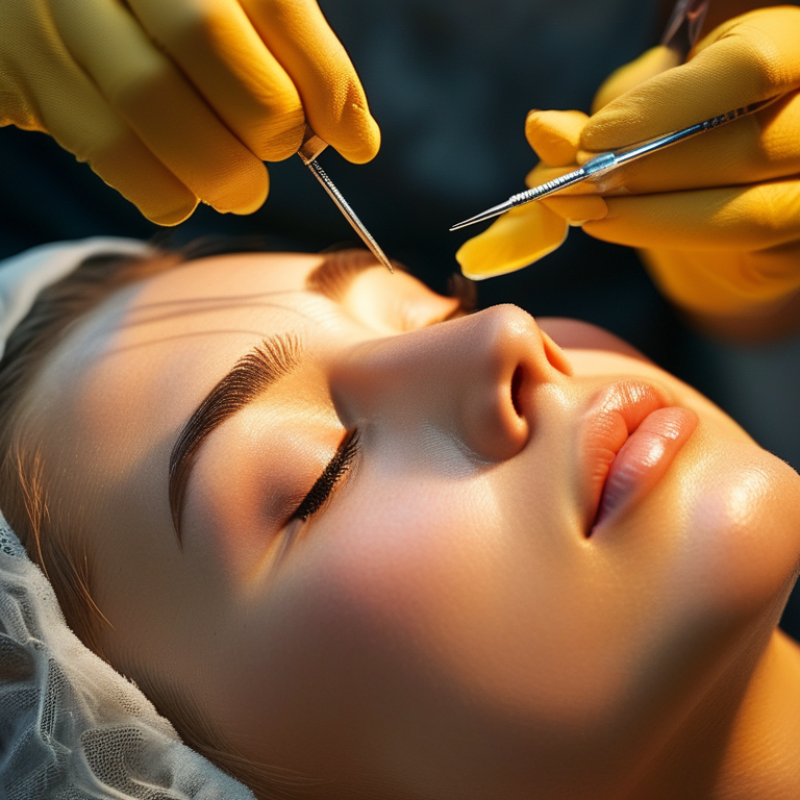
Proper lighting is essential for lash extension technicians because it affects precision, comfort, and client trust. In practice, a clear view helps you separate natural lashes without pulling or guessing. A high-CRI light can reveal lash color, adhesive placement, and tiny gaps more accurately. Neutral light, often around 4000–5000K, usually shows details without making the workspace feel harsh. Shadows are the enemy.
The light should reach the lash line evenly. Position it slightly above and in front of the client, then adjust the angle as you work. Diffused lighting can reduce glare on wet eyes and make longer appointments more comfortable. Your own posture matters, too. If you lean forward to chase a shadow, neck strain may follow. I used to focus only on brightness. That was a mistake. Excessive brightness can create tired eyes and an uneasy client experience.
Tips: Test the light against white paper and dark lashes before an appointment. Check whether your hands create shadows. Keep a backup light available, because equipment can fail at inconvenient moments. Let the client speak if the light feels uncomfortable. A perfect setup on paper may still need adjustment in a real treatment room.
| Lighting Dimension | Practical Target | Why It Matters for Lash Work | Simple Check |
|---|---|---|---|
| Illuminance at the Work Area | Approximately 750–1,500 lux for detailed close-up work | Provides enough light to separate natural lashes, identify adhesive placement, and inspect the finished set without relying only on magnification. | Measure the light on the client’s lash area with a handheld lux meter. Recheck after repositioning the lamp. |
| Color Rendering | Color Rendering Index (CRI) of 90 or higher | High color rendering helps the technician distinguish natural lash tones, adhesive residue, skin redness, and subtle differences between extension fibers. | Check the fixture specifications for CRI or Ra. Do not judge color quality by brightness alone. |
| Color Temperature | Neutral white light around 4,000–5,000 K | A neutral color balance can improve visual contrast while avoiding the overly yellow appearance of warm light or the harsh blue appearance of very cool light. | Compare the light with a neutral white reference card and inspect both dark and light lash fibers. |
| Shadow Control | Use broad, diffused light from the front or both sides | Soft, balanced illumination reduces shadows from the technician’s hands, tweezers, and client’s brow area, making isolation and placement easier to see. | Move the tweezers over the lash line. If the tool creates a dark band across the working area, adjust the light angle or add fill light. |
| Glare and Reflection | Keep direct reflections out of the client’s eyes and the technician’s viewing path | Glare can obscure fine details, cause squinting, and make sustained visual work less comfortable. | View the lash area from the technician’s normal position. Tilt or diffuse the lamp if bright reflections appear. |
| Lamp Position and Angle | Position the light close enough for even coverage and typically 30–45° from the working line | The correct angle improves visibility while reducing hand shadows and preventing the technician from leaning forward to see the lash line. | Adjust the lamp before changing posture. The beam should cover both eyes without forcing the neck or shoulders forward. |
| Flicker and Visual Comfort | Use a quality LED fixture designed for low visible flicker | Uncomfortable flicker may contribute to eye strain, headaches, or reduced concentration during long appointments, even when it is not obvious. | Look for published flicker information, and replace or reposition any light that causes discomfort or visible pulsing. |
| Consistency During the Appointment | Maintain a stable light level and color throughout the service | Consistent lighting supports reliable isolation, adhesive checks, symmetry assessment, and final quality control. | Keep curtains, overhead lights, and task lights consistent when comparing both eyes or reviewing the finished set. |
| Visual Breaks and Eye Fatigue | Use regular short breaks and periodically focus beyond the workstation | Good lighting reduces unnecessary visual effort, but breaks are still important during prolonged close-range tasks. | After each appointment, relax the eyes and look into the distance before beginning the next detailed service. |
Practical note: These values are starting points for a lash-extension workstation. The final setup should be adjusted for room conditions, client comfort, the technician’s eyesight, and the specific details of the service. Avoid shining bright light directly into the client’s eyes.
Accurate lighting makes lash mapping clearer and placement more controlled. A neutral, high-CRI light helps reveal the client’s natural lash direction. It also shows differences between fine, medium, and stronger lashes. This detail matters when selecting lengths and curls for each eye.
During mapping, shadows can hide the outer corner or create false symmetry. A light positioned slightly above and in front of the client reduces these blind spots. I have found that moving the lamp a few centimeters can change how the lash line appears. Brightness alone is not enough. The angle matters too. Too much glare makes isolation uncomfortable and can strain the technician’s eyes.
Tips: Check the lash line from several angles before placing extensions. Keep the light steady, then adjust it for inner and outer corners. Use a neutral tone when possible, and avoid relying on room lighting. Pause if details look unclear. A quick lighting adjustment may prevent uneven mapping.
I still misjudge placement when I work too quickly. Lighting improves accuracy, but it cannot replace careful isolation or regular eye breaks. Compare both eyes under the same light before continuing. Small differences become easier to correct early. Clear visibility supports safer, cleaner, and more consistent extension work.
Top Reasons Lighting Matters for Lash Extension Techs?
Why Good Illumination Protects Client Eye Safety
Good lighting is a safety tool, not a decoration. It helps lash technicians see natural lashes, adhesive placement, and delicate skin clearly. Poor illumination can create shadows around the eyelids. Those shadows may hide residue, separated lashes, or early signs of irritation. A well-positioned, adjustable light should illuminate both eyes evenly without shining directly into the client’s face.
Comfort matters too. Harsh glare can make clients squint, move suddenly, or struggle to keep their eyes relaxed. Reflections from tools may become distracting. Technicians should check the light from the client’s position before beginning. The room may look bright, yet the working area can remain dim. That mistake is easy to make.
Clean visibility supports careful decisions. A technician can inspect for redness, watering, swelling, or incomplete eye closure more accurately. Any unusual discomfort deserves attention, not dismissal. Short pauses can help when a client reports stinging or pressure. Even experienced technicians may overlook small details when working quickly. I think that is worth admitting. Better lighting does not replace training, hygiene, client communication, or appropriate professional judgment. It supports them. Regularly adjusting the lamp, checking shadows, and re-examining the lash line can reduce avoidable risks during each appointment.
This chart illustrates the inverse-square relationship between distance and illuminance. With the same light source, moving the lamp farther from the client’s eyes and lash workspace sharply reduces available light. Positioning a suitable task light close to the work area can improve visibility, support accurate isolation, and reduce the need for excessive squinting or eye strain. Values are normalized to 100% illuminance at 30 cm and calculated using the inverse-square law: relative illuminance = (30 ÷ distance)².
Top Reasons Lighting Matters for Lash Extension Techs?
How Lighting Reduces Technician Strain and Improves Comfort
During a full lash appointment, lighting is not a luxury. It is part of the technician’s working posture. Poor illumination makes the eyes chase tiny details, while the neck leans closer to the client. That repeated movement can leave the shoulders tight and the forehead tired before lunch. In my experience, focused, shadow-controlled lighting reduces squinting and unnecessary head movement. Comfort begins with visibility.
A useful setup places the light slightly above and in front of the treatment area. Adjustable brightness helps when the room changes from morning daylight to evening darkness. A neutral, consistent color appearance also supports accurate separation of natural lashes and extensions. However, brightness alone is not enough. Glare on tweezers, glossy surfaces, or the client’s skin can create fresh eye strain. Take a minute to check shadows from your hands and tools. Your client’s comfort matters too. Harsh light can make them tense, blink more, or struggle to relax.
I once assumed the strongest light was the most professional choice. That was a mistake. After longer sessions, my eyes felt dry, and I noticed more shoulder tension. Now I adjust the angle, not just the intensity, and take brief visual breaks between clients. These small habits are easy to skip during a busy schedule. Still, lighting cannot replace proper seating, a neutral wrist position, or regular breaks. Each technician should test the setup honestly. Does it improve precision without forcing the body to compensate?
Choosing the right lighting setup is essential for accurate lash extension work. A technician must see fine lash lines, adhesive placement, and subtle gaps without leaning too close. ISO 8995-1 identifies 500 lux as a reference level for many detailed visual tasks. Lash work may require more focused light, especially for dark lashes or mature clients’ softer hair. A dim room creates shadows. Excessive brightness creates discomfort.
Use a stable task light with adjustable direction and even illumination across both eyes. Neutral-white light, around 4,000–5,000 Kelvin, usually supports clearer color judgment than warm light. The IES Lighting Handbook recommends controlling glare and placing task lighting near the work area. A diffuser can soften harsh reflections on tweezers, eye pads, and glossy surfaces. Keep the light slightly above eye level, then angle it toward the lash line. Test both sides before starting.
Experience shows that a beautiful lamp is not always a useful lamp. I once noticed technicians moving their heads repeatedly because the light was bright but poorly positioned. That movement can affect posture and precision. The European Agency for Safety and Health at Work links poor visual conditions with discomfort and fatigue, although salon-specific evidence remains limited. Measure the workspace with a lux meter when possible. Recheck it after changing the bed height. Lighting choices still require judgment.
It helps technicians see natural lashes, adhesive placement, residue, and delicate skin clearly. Better visibility supports safer, more precise decisions.
Shadows may hide separated lashes, residue, redness, or early irritation. A dim work area can make small problems easier to miss.
Place it slightly above and in front of the treatment area. Angle it toward the lash line, not directly into the client’s eyes.
Harsh glare may cause squinting, blinking, or sudden movement. Check the light from the client’s position before starting.
Around 500 lux is a useful reference for detailed visual tasks. Neutral-white light near 4,000–5,000 Kelvin often supports clearer color judgment.
No. Excessive brightness can cause glare on tweezers, eye pads, or glossy skin. I once assumed the strongest light was best. It was not.
Clear, even illumination reduces squinting and repeated head movement. It may help limit neck, shoulder, and forehead fatigue during long appointments.
Check both eyes for shadows and uneven brightness. Recheck the lash line after adjusting the bed or lamp. Small checks matter.
No. Lighting only supports training, hygiene, communication, proper seating, and professional judgment. It is helpful, not sufficient.
Use adjustable brightness and direction. Add a diffuser when reflections feel harsh. Take brief visual breaks between clients. These are easy to skip.
Proper lighting is essential for lash extension technicians because it supports accuracy, safety, and overall comfort throughout every appointment. Why is lighting important for lash extension technicians? Clear, balanced illumination helps technicians see each natural lash, create precise lash maps, and place extensions correctly without missing small details. It also makes it easier to recognize the condition and direction of the client’s lashes, leading to a more even and customized result.
Good lighting also protects the client’s eye area by reducing shadows and helping the technician work carefully around sensitive skin and eyes. For technicians, suitable illumination can reduce squinting, leaning, and prolonged eye strain, allowing them to maintain better posture and concentration. When choosing a lighting setup, technicians should consider brightness, adjustability, positioning, color clarity, and comfort. The right setup should illuminate the work area evenly without creating glare or unnecessary heat, creating a safer and more efficient environment for both the technician and the client.
